Our Short List of 3
All 4 Picks at a Glance
| Product | Specs | Action |
|---|---|---|
 Kenmore 22-14675 | Check price on Amazon | |
 EdgeStar BIDW1802SS | Check price on Amazon | |
 LG LDTH7972S | Check price on Amazon | |
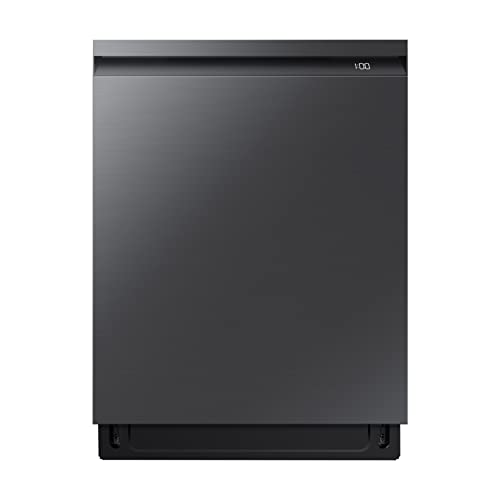 Samsung DW80B6060UG/AA | Check price on Amazon |
Key takeaways
- The best energy star dishwashers compared on certified figures: annual kWh, gallons per cycle and the Most Efficient tier, with four low-use built-in picks.
If you are shopping for a dishwasher with running costs in mind, the badge alone is not the decision. Every model in this guide is ENERGY STAR certified, which means it beat the federal limits for energy and water use under the US Department of Energy test procedure. What separates one certified model from another is how far below those limits it lands. For a standard-size dishwasher, the federal ceiling is 307 kilowatt-hours per year and 5.0 gallons per cycle. The four picks below sit between 234 and 239 kilowatt-hours per year and between 2.9 and 3.2 gallons per cycle on their certified figures, which puts them at the efficient end of what you can currently buy on Amazon US.
This guide is for households replacing an older machine, renovating a kitchen, or fitting out a small space, where the electricity and water a dishwasher uses over years of daily loads matters as much as how well it washes. The picks are based on manufacturer specifications, the ENERGY STAR certified products list, and Amazon listing details for each exact model. Two of the four also carry the program’s Most Efficient designation, the tier reserved for the lowest-use models in the category.
Disclosure: As an Amazon Associate, we earn from qualifying purchases. Product details and availability can change; check the Amazon listing before you buy.
Quick picks at a glance
| Product | ASIN | Best for |
|---|---|---|
| Kenmore 22-14675 | B0CFPNG5TW | Lowest certified energy and water figures in a full-size 24-inch model |
| EdgeStar BIDW1802SS | B07RP2S2R9 | 18-inch kitchens that still want a 234 kWh per year figure |
| LG LDTH7972S | B0BX7FHNYM | Lowest water use per cycle, at 2.9 gallons, plus a 42 dBA noise figure |
| Samsung DW80B6060UG/AA | B0B9GHTQ1F | Most Efficient figures with smart controls and a third rack |
What matters most when comparing certified dishwashers
Compare the certified kilowatt-hour figure, not the marketing. The annual energy figure on the certified products list comes from one shared test procedure that assumes 215 loads per year. Because every model is measured the same way, it is the one number you can compare across brands directly. A model at 234 kilowatt-hours per year uses roughly a quarter less energy on that test than a model that only just meets the 307 federal ceiling.
Gallons per cycle add up quietly. Water use is certified per cycle, so a gap of half a gallon looks trivial until you multiply it by four or five loads a week. Over a year of typical use, the difference between a 2.9-gallon model and a 5.0-gallon model runs into hundreds of gallons, which matters on a metered supply or a septic system.
Look for the Most Efficient tier if you want the lowest figures. Beyond basic certification, the program recognises a Most Efficient group each year. LG describes the qualifying threshold for its designated models as annual energy use of no more than 240 kilowatt-hours and water use of no more than 3.2 gallons per cycle. Two picks in this guide, the LG and the Samsung, hold that designation, and their certified figures sit inside those limits.
Sensor cycles and half-load options cut real-world use. The certified figures come from a standard test load. In a real kitchen, a soil-sensing auto cycle that shortens the wash for lightly soiled dishes, or a half-load option that does not run a full cycle for a few plates, is what keeps your actual consumption near the test numbers instead of above them.
Drying method affects the energy picture. A heated dry element draws extra power at the end of every cycle. Condensation drying and doors that open automatically to release steam achieve dry dishes with little or no added energy, and several of the picks below rely on exactly that approach.
Match the size to the household. A compact 18-inch model posts a low per-cycle figure, but if its eight place settings mean you run it twice as often as a 15-place-setting machine, the yearly totals can converge. Buy the smallest machine that still lets you run full loads.
Kenmore 22-14675
Why it fits an efficiency-first brief. The Kenmore posts the strongest certified numbers in this guide for a full-size machine: 234 kilowatt-hours per year, which the certified products list records as 24 percent better than the federal standard, and 3.0 gallons per cycle, recorded as 40 percent better than the federal standard. It reaches those figures without shrinking the tub, holding 15 place settings behind a stainless steel interior. The SmartWash cycle uses a soil sensor to adjust the wash to the load, and a Half Load option is there for the days when a full cycle would be wasted on a partial load.
Trade-offs. One wrinkle worth knowing: the Amazon listing’s own water-consumption field shows a higher number than the certified figure, because listing fields can describe a specific heavy cycle rather than the standard test result. The 3.0-gallon figure used here is the certified test result, which is the number that compares fairly against other models. Kenmore’s support and parts network also runs through different channels than the big Korean and German brands, so check service coverage in your area if that matters to you.
Best for / Skip if. Best for households that want the lowest certified energy and water figures in a standard 24-inch opening. Skip it if smart-home controls are a priority, since this model keeps its feature set focused on wash hardware rather than connectivity.
EdgeStar BIDW1802SS
Why it fits an efficiency-first brief. Narrow kitchens usually force a compromise on efficiency, because the 18-inch class is small. The EdgeStar matches the full-size Kenmore on certified annual energy at 234 kilowatt-hours per year, 24 percent better than the federal standard, with water use of 3.1 gallons per cycle recorded as 38 percent better. It also carries a soil sensor, so the normal cycle adjusts to the load rather than running a fixed program, and the delay start of up to 24 hours lets you schedule washes for the hours when your household is not using hot water elsewhere.
Trade-offs. Eight place settings is the hard limit of the format, so a family that cooks daily will run this machine often, and the yearly advantage narrows with every extra cycle. At 52 dB it is also the loudest pick here, noticeable in an open-plan space. The leakage sensor is a genuine plus for an upstairs or apartment install, but it does not change the capacity maths.
Best for / Skip if. Best for small kitchens, apartments and second homes that need an 18-inch built-in with certified figures as low as a full-size model. Skip it if you regularly wash for more than four people, because the full-size picks will use less energy per place setting at that volume.
LG LDTH7972S
Why it fits an efficiency-first brief. The LG has the lowest water use in this guide at 2.9 gallons per cycle, paired with 238 kilowatt-hours per year, which the certified products list records as 22 percent better than the federal standard. It holds the program’s Most Efficient designation, and it earns its figures in a full-size 15-place-setting tub, so there is no capacity sacrifice for the efficiency. At 42 dBA it is also the quietest pick here, which matters if the machine will run in the evening in an open-plan home, and the top-control layout keeps the front panel clean.
Trade-offs. Its annual energy figure is a few kilowatt-hours above the two 234 models, so if electricity is your only metric the Kenmore edges it; the LG answers with clearly lower water use. The feature set leans on LG’s wash and steam systems, which reward using the sensor-driven cycles rather than defaulting to the heaviest program for every load.
Best for / Skip if. Best for households on metered water, or anyone who wants the lowest per-cycle water figure in a full-size, quiet machine. Skip it if you prefer front controls you can read at a glance mid-cycle, since the panel sits on the top edge of the door.
Samsung DW80B6060UG/AA
Why it fits an efficiency-first brief. The Samsung’s certified figures, 239 kilowatt-hours per year and 3.2 gallons per cycle, sit 22 percent and 36 percent better than the federal standards respectively, and the model carries the Most Efficient designation. Its efficiency story is helped by how it dries: the AutoRelease Door opens when the wash finishes and lets air circulate, so dishes dry without leaning on a heating element. The StormWash+ system targets a heavily soiled zone in the lower rack, which reduces the temptation to run a second cycle for baked-on cookware, and Wi-Fi control through the SmartThings app lets you delay or schedule cycles from your phone.
Trade-offs. At 239 kilowatt-hours per year it is the highest energy figure in this guide, though the gap to the lowest pick is small. The connected features only earn their keep if you will actually use scheduling and notifications; run on its longest heavy cycle by default, its real consumption will drift above the certified figure like any machine’s.
Best for / Skip if. Best for households that want Most Efficient figures together with a third rack, strong targeted washing and app scheduling. Skip it if you do not want a connected appliance, because the Kenmore and LG deliver similar certified figures without the smart layer.
How to choose between these picks
Start with your cabinet opening. An 18-inch space leaves one answer here, the EdgeStar, and its certified figures mean the smaller format costs you capacity rather than efficiency. With a standard 24-inch opening, decide which resource you are really trying to limit. If it is electricity, the Kenmore’s 234 kilowatt-hours per year is the lowest full-size figure in the guide. If it is water, the LG’s 2.9 gallons per cycle leads, and it adds the quietest operation. If you want the low figures plus connected scheduling and a third rack for cutlery and utensils, the Samsung is the pick, accepting an annual figure a few kilowatt-hours higher. In every case, the certified figures assume full, well-loaded racks, so the model that matches your household’s load size will come closest to its test numbers in your kitchen.
Setup, habits and care that protect the certified figures
Install the machine level and confirm the inlet water temperature is in the range the maker specifies, since a dishwasher that has to boost very cold water works harder on every cycle. Scrape plates instead of pre-rinsing them under the tap, which can use more water than the machine’s whole cycle. Run full loads, use the sensor or auto cycle as your default, and reserve the heavy and sanitize programs for loads that need them. Keep the filter clean so the soil sensor reads the wash water accurately, and use rinse aid so dishes dry without a heated dry boost. If your utility offers time-based electricity pricing or a rebate program for certified appliances, the delay start features on these models make both easy to use; check your provider’s current program details before you buy. Finally, leave the door slightly open after unloading if your model does not open automatically, so the tub dries without any energy at all.
FAQ
What does ENERGY STAR certification actually require of a dishwasher?
A certified model must use less energy and less water than the federal maximums, 307 kilowatt-hours per year and 5.0 gallons per cycle for a standard-size machine, under the Department of Energy test procedure. The certified products list publishes each model’s tested figures, which is why this guide compares those numbers rather than brand claims.
What is the Most Efficient designation on two of these picks?
It is a further tier within the program for the lowest-use models in a category. LG describes the qualifying threshold as no more than 240 kilowatt-hours per year and no more than 3.2 gallons per cycle. The LG LDTH7972S and the Samsung DW80B6060UG both hold the designation, and their certified figures fall inside those limits.
Why does a listing sometimes show a different water number than the certified figure?
Listing data fields can describe water use for one specific cycle, often the heaviest, while the certified figure is the result of the standard test cycle used for every model. For comparing models, use the certified figure; for predicting a single heavy wash, the listing field may be closer.
Will a lower kilowatt-hour figure always mean lower bills?
The figure assumes 215 loads a year. A household running the machine daily will see a bigger absolute difference between a 234 and a 307 model than a household running it twice a week. Cycle choice matters too: heavy and sanitize programs use more than the test cycle on any machine.
Do compact dishwashers always use less energy and water?
Per cycle, the 18-inch EdgeStar matches the best full-size figure here at 234 kilowatt-hours per year. But with eight place settings instead of fifteen, a larger household may run it nearly twice as often, which erases the advantage. Match capacity to your typical load.
Conclusion
For the lowest certified figures in a full-size machine, choose the Kenmore 22-14675: 234 kilowatt-hours per year and 3.0 gallons per cycle across 15 place settings. For an 18-inch kitchen, the EdgeStar BIDW1802SS delivers the same 234 annual figure in a compact body. For the lowest water use and the quietest run, choose the LG LDTH7972S at 2.9 gallons per cycle and 42 dBA. For Most Efficient figures with smart scheduling and a third rack, choose the Samsung DW80B6060UG. Whichever you pick, load it fully and let the sensor cycle do the work, and the machine in your kitchen will run close to the certified figures that earned it a place here.