Our Short List of 3
All 4 Picks at a Glance
| Product | Specs | Action |
|---|---|---|
 LG LDTH7972S | Check price on Amazon | |
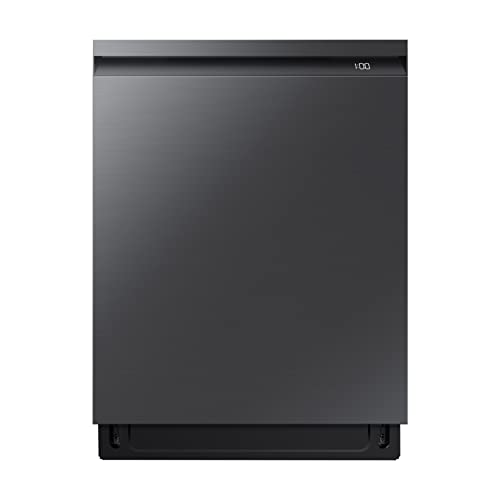 Samsung DW80B6060UG/AA | Check price on Amazon | |
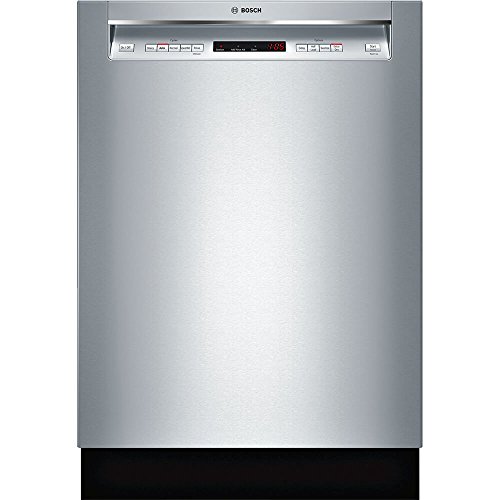 Bosch SHEM63W55N | Check price on Amazon | |
 LG LDFN4542S | Check price on Amazon |
Key takeaways
- Find the best dishwashers USA buyers can fit today: four 24-inch built-ins compared on US cutout size, 120-volt specs, noise, capacity and drying systems.
If you are shopping for a dishwasher in the United States, the shortlist looks different from the one a buyer in Europe or Asia works from. US kitchens are built around a standard 24-inch cabinet opening, machines run on 120-volt household circuits, and the figures that matter — place settings, gallons per cycle, kilowatt hours per year — follow US federal test methods. This guide narrows the field to four 24-inch built-in dishwashers that are sold on Amazon US right now and that cover the main ways American households actually shop: the quiet all-rounder, the heavy-soil specialist, the long-service traditional pick, and the straightforward front-control model. Every pick below was chosen from manufacturer specifications and Amazon US listing details for the exact model, so the dimensions, noise figures and cycle lists are the ones you can cross-check before ordering.
Disclosure: As an Amazon Associate, we earn from qualifying purchases. Product details and availability can change; check the Amazon listing before you buy.
Quick picks at a glance
| Product | ASIN | Best for |
|---|---|---|
| LG LDTH7972S | B0BX7FHNYM | Quietest all-round performance with steam and a one-hour wash and dry cycle |
| Samsung DW80B6060UG/AA | B0B9GHTQ1F | Baked-on cookware loads and buyers who want app control |
| Bosch SHEM63W55N | B06Y25S9CT | A proven 300 Series platform with a long US service network behind it |
| LG LDFN4542S | B0BDMR9745 | Simple front controls and a fixed third rack without smart features to manage |
What matters most for US buyers
Cutout size comes first. The standard US dishwasher opening is 24 inches wide, roughly 34 inches high and 24 inches deep, and all four picks are built for it. Measure the opening itself — not the old machine — and check the height with the flooring finished, because a new floor can steal the clearance an adjustable leg range used to absorb.
Electrical and plumbing are standardized, but confirm them anyway. US dishwashers run on 120 volts and 60 hertz, typically on a dedicated circuit, and connect to the hot water line with a 3/8-inch compression fitting. Some local codes require an air gap on the drain line and others accept a high loop; the picks below all support standard US hookups, but your jurisdiction decides the detail.
Noise is published as a dBA figure. In an open-plan American home the dishwasher often runs within earshot of the living room, so the gap between 42 and 48 dBA is the difference between background hum and a machine you schedule around. Every figure in this guide comes from the maker’s own specification sheet.
Capacity is counted in place settings. A US place setting covers a full dinner service for one person, and 15 place settings is the current full-size norm. Third racks matter in the US market because they free the lower rack for the stockpots and sheet pans that American cooking produces.
Efficiency figures follow the federal program. Energy use is published in kilowatt hours per year and water use in gallons per cycle under the US test procedure, and all four picks carry the federal ENERGY STAR certification. Lower figures compound over a machine that may run daily for a decade.
Drying is the real divider. US buyers wash a lot of plastic storage containers, which do not hold heat and dry poorly in a basic condensation cycle. Heated dry systems, steam and doors that open at the end of the cycle are the three technologies that address it, and the picks below each take a different approach.
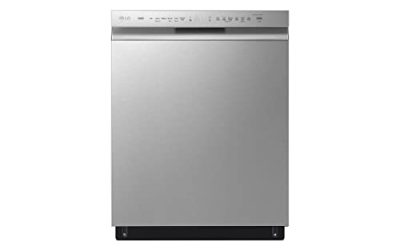
LG LDTH7972S
Why it fits US buyers. This is the most complete specification in the group. The 42 dBA figure is the lowest here, which suits the open-plan layouts common in US homes, and the height-adjustable third rack takes long utensils and espresso cups without stealing height from the rack below. TrueSteam loosens baked-on soil before the main wash, and the 1-Hour Wash & Dry cycle answers the most common American complaint about modern machines: cycle times that stretch past two hours. Dynamic Heat Dry uses a heated system rather than relying on rinse-aid chemistry alone, which shows on plastics.
Trade-offs. The top-control panel is hidden when the door is closed, so you read the remaining time from the front display window rather than a full control strip. It is also the heaviest machine here at 97 lb, which makes a one-person slide-in installation harder. The smart features only earn their keep if you will actually use remote start and cycle downloads.
Best for / Skip if. Best for households that run the dishwasher daily and want quiet, steam and a genuine one-hour full cycle in one machine. Skip it if you prefer visible front controls or will never connect an appliance to Wi-Fi.
Samsung DW80B6060UG/AA
Why it fits US buyers. StormWash+ adds a rotating jet that targets the corner of the tub where casserole dishes and roasting pans usually sit, and the Pre Blast option starts with a high-pressure rinse so dried-on food does not need a sink soak first — a pattern that matches how US households load a machine after a big cooked dinner. The AutoRelease Door opens itself at the end of the cycle to vent steam, which is one of the most effective answers to wet plastics. At 44 dBA it stays quiet enough for evening runs, and its 3.2 gallons per cycle is the lowest water figure in this group.
Trade-offs. The finish on this listing is fingerprint resistant black stainless steel, which will not match a plain stainless suite of appliances, so check the exact finish variant on the listing before ordering. The depth is a quarter inch more than the LG models, worth confirming against cabinet faces that sit proud of the opening. App control runs through SmartThings, which is a plus only if your other smart devices already live there.
Best for / Skip if. Best for keen cooks whose loads are dominated by pans and baked-on dishes, and for SmartThings households. Skip it if your kitchen suite is standard stainless and finish matching is a priority.
Bosch SHEM63W55N
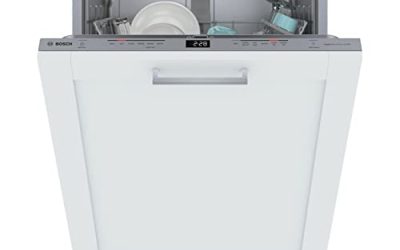
Why it fits US buyers. Bosch built its US reputation on exactly this formula: a stainless tub, a third rack for cutlery and shallow bowls, and a RackMatic upper rack that adjusts to three heights so tall stemware and tall pots stop competing for the same space. The cycle list is short — five cycles and four options — because the machine is aimed at buyers who run one or two programs for years rather than experimenting. Bosch also supports one of the deepest independent service networks in the US appliance market, which matters when a machine is expected to stay in the kitchen for a decade or more.
Trade-offs. There is no steam cycle and no heated dry system in the LG or Samsung sense; drying relies on condensation and rinse aid, so plastics come out wetter than from the two Korean machines here. There is no Wi-Fi on this model. The recessed handle and full-console controls give it a more traditional look that will not suit every kitchen.
Best for / Skip if. Best for buyers who value a proven platform, rack flexibility and long-term serviceability over connected features. Skip it if dry plastics out of the machine are a top priority.
LG LDFN4542S
Why it fits US buyers. This is the straightforward end of the LG line: front controls you can read and press with the door closed, a pocket handle, and the same QuadWash four-arm wash system as its more expensive sibling. The fixed third rack still takes the cutlery and utensils that crowd a basket, the EasyRack Plus upper rack adjusts for taller items, and at 75 lb it is the lightest machine in this guide — a genuine advantage for a two-person installation in a typical US kitchen remodel. The sanitize option is certified to the NSF/ANSI 184 standard used in the US, which is the figure that matters for households washing baby bottles and cutting boards.
Trade-offs. At 48 dBA it is the loudest pick here; in a studio or a small open-plan apartment you will hear it work. There is no steam, and the third rack is fixed rather than height adjustable, so very tall items on the rack below still need planning. Dynamic Dry is a fan-assisted condensation system, a step below the heated dry on the LDTH7972S.
Best for / Skip if. Best for buyers who want LG wash performance with simple visible controls and no app setup. Skip it if the kitchen opens directly onto your living space and low noise is the first priority.
How to choose between these picks
Start with the two figures you cannot change later: the cutout and the noise level. All four machines fit the standard US 24-inch opening, so the real filter is sound. If the dishwasher sits in an open-plan space, hold the line at 44 dBA or below, which leaves the LG LDTH7972S, the Samsung and the Bosch. If the kitchen is a separate room, the LDFN4542S at 48 dBA stops being a compromise and its simpler controls become the attraction.
Next, decide how you feel about drying. Households that wash a lot of plastic containers should weight the Samsung’s AutoRelease Door and the LG flagship’s Dynamic Heat Dry heavily. Households that mostly wash ceramic, glass and metal can take the Bosch’s condensation drying in stride and gain its rack system and service network instead.
Finally, be honest about smart features. Both top-control smart models here can be started remotely and will send end-of-cycle alerts, which is genuinely useful in a large US home where the kitchen is far from the bedrooms. If that sentence sounds like a solution to a problem you do not have, the two simpler machines will serve you just as well.
Installation and care in a US kitchen
Most US dishwasher swaps reuse the existing opening, water line and drain, but three checks prevent the common failures. Confirm the hot water supply valve still shuts off fully, confirm the drain route your local code expects — an air gap fitting on the sink or counter in many jurisdictions, a high loop in others — and confirm the electrical supply is a grounded 120-volt circuit; these machines are commonly hardwired, though cord kits exist where code allows them. Level the machine front to back and side to side before the first load, because an unlevel tub is the usual cause of water pooling in one corner.
For care, scrape rather than pre-rinse: every machine here uses a soil sensor that shortens the cycle when the water runs clean early, and fully rinsed loads can fool it into under-washing the pans in the same load. Clean the filter on a monthly rhythm, keep the rinse aid dispenser filled — it is doing real work in the drying phase, not just preventing spots — and run the machine-clean cycle each month if your water is hard. In hard-water regions of the US, a softener upstream of the dishwasher protects the heating element and keeps the stainless tubs on these models from filming over.
FAQ
Will these dishwashers fit a standard US kitchen opening?
Yes. All four are 24-inch built-in models designed for the standard US cutout of roughly 24 inches wide, 34 inches high and 24 inches deep. Measure your opening and compare it with the dimensions in each spec table, especially the height once flooring is in place.
Do US dishwashers need a special electrical connection?
They run on a standard 120-volt, 60-hertz household supply, usually a dedicated circuit. Many are hardwired directly; some installations use a cord kit where local code permits. The Bosch lists a 12-amp draw, which is typical for the class.
What does the place setting count actually mean for a family?
A place setting is one full dinner service — plates, bowl, glassware and cutlery for one person. The two LG models here hold 15 place settings, which in practice means a family dinner plus the cookware from preparing it, especially with a third rack absorbing the utensils.
Are these models efficient by US standards?
All four carry the federal ENERGY STAR certification. The LG LDTH7972S uses 238 kWh per year and the Samsung 239 kWh per year under the US test procedure, with the Samsung also publishing the lowest water use in the group at 3.2 gallons per cycle.
Which of these is best if my kitchen is open to the living room?
The LG LDTH7972S, at 42 dBA, is the quietest machine in this guide. The Samsung and Bosch follow at 44 dBA. The front-control LG at 48 dBA is better suited to a kitchen with a door.
Conclusion
For most US households, the LG LDTH7972S is the pick: it is the quietest machine here, it dries with heat, it has steam for baked-on loads, and its one-hour wash and dry cycle fits how American families actually run a kitchen. Choose the Samsung DW80B6060UG/AA if your loads lean toward roasting pans and casseroles and you want the door to open itself for drying. Choose the Bosch SHEM63W55N if you plan to keep the machine for a long time and value rack design and service coverage over connectivity. And choose the LG LDFN4542S if you want proven wash performance with plain front controls and the easiest installation weight in the group. Whichever you land on, verify the finish, the dimensions and the current listing details on Amazon US before you order.