Our Short List of 3
All 4 Picks at a Glance
| Product | Specs | Action |
|---|---|---|
 LG LDTH7972S | Check price on Amazon | |
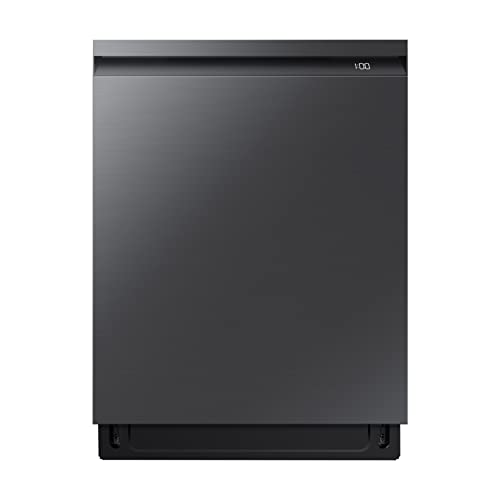 Samsung DW80B6060UG/AA | Check price on Amazon | |
 EdgeStar BIDW1802SS | Check price on Amazon | |
 LG LDFN4542S | Check price on Amazon |
Key takeaways
- The best energy efficient dishwashers compared by annual kWh and water per cycle, with certified built-in picks from LG, Samsung and EdgeStar for your kitchen.
A dishwasher runs hundreds of times a year, so small differences in energy and water use per cycle add up to a real gap on utility bills over the life of the machine. The good news is that efficiency is one of the easiest qualities to compare honestly, because every model sold in the US carries a standardized annual energy figure and a per-cycle water figure generated under the same federal test procedure. This guide is for households replacing a built-in dishwasher who want those numbers to lead the decision, whether the priority is the lowest possible kilowatt-hours, the lowest water use, or an efficient machine that still handles large family loads.
Disclosure: As an Amazon Associate, we earn from qualifying purchases. Product details and availability can change; check the Amazon listing before you buy.
The picks below are based on manufacturer specifications, federal certification data and Amazon listing details for each exact model. Every machine here is certified under the federal ENERGY STAR program, and each one uses meaningfully less energy and water than the federal standard for its size class. They are all built-in dishwashers, in standard 24-inch and compact 18-inch widths, so the comparison stays within one product type.
Quick picks at a glance
| Product | ASIN | Best for |
|---|---|---|
| LG LDTH7972S | B0BX7FHNYM | Lowest water use in a full-size machine |
| Samsung DW80B6060UG/AA | B0B9GHTQ1F | Efficient drying without a heated dry cycle |
| EdgeStar BIDW1802SS | B07RP2S2R9 | Small kitchens that still want a built-in |
| LG LDFN4542S | B0BDMR9745 | Efficient front-control value in the LG line |
What matters most for energy efficiency
The annual kilowatt-hour figure. This is the headline number on the yellow EnergyGuide label. It estimates a full year of use at 215 loads, including standby energy and the water-heating energy assigned to the machine. The federal standard for a standard-size dishwasher is 307 kilowatt-hours per year, so anything well under that figure is doing real work. Every full-size pick in this guide sits between 238 and 258 kilowatt-hours per year.
Water per cycle. Electricity is only half the running cost. The federal standard allows up to 5.0 gallons per cycle for a standard-size machine, while efficient models run between 2.9 and 3.2 gallons. Lower water use also means less water to heat, which is where much of a dishwasher’s energy actually goes.
Soil sensing and automatic cycles. A machine that measures how dirty the water is can shorten the wash and lower the temperature for a lightly soiled load instead of running a full-power program every time. Look for a soil sensor and an auto cycle if your loads vary a lot from day to day.
Half-load and eco options. Washing a half load with a full load’s worth of water wastes both resources. Half-load options, dual-zone settings and eco programs let the machine match its consumption to what is actually inside, which matters more in real kitchens than the lab figures suggest.
Drying method. Heated dry elements are one of the hungriest parts of a cycle. Condensation drying, fan-assisted drying and doors that open automatically at the end of the cycle all cut that energy sharply. If you routinely use heated dry, the annual figure on the label understates what you will actually consume.
Capacity matched to your household. The most efficient dishwasher is the one that runs full. A 15-place-setting machine run half empty every day uses more than a smaller machine run full, so match the tub size to how many dishes your household actually produces between runs.
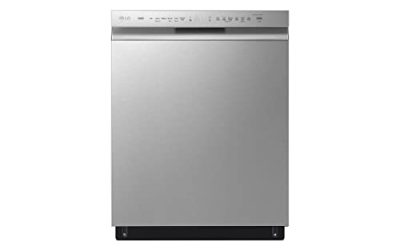
LG LDTH7972S
Why it fits energy-conscious buyers. The LDTH7972S posts the strongest combined figures of any full-size pick here: 238 kilowatt-hours per year, which is 22 percent below the federal standard figure, and 2.9 gallons per cycle, which is 42 percent below the federal water standard. It reaches those numbers in a full 15-place-setting tub, so there is no capacity sacrifice behind the efficiency. The SenseClean soil-sensing system adjusts the cycle to the load, and the QuadWash Pro arms clean from multiple angles so heavily soiled loads are less likely to need a second pass, which is a hidden source of wasted energy in any kitchen. Dynamic Heat Dry uses a fan-based approach rather than relying purely on a heating element, and the steam function loosens baked-on food so the machine does not need extended high-temperature washing to finish the job.
Trade-offs. This is a top-control model with a deep feature set, and the steam and smart functions are extras that buyers who simply run one normal cycle forever will not use. The 42 dBA operation is quiet, but quietness is a side benefit here rather than the reason to buy it.
Best for / Skip if. Best for larger households that run the dishwasher daily and want the lowest water figure in a standard-width machine. Skip if you prefer front controls you can read at a glance without opening the door.
Samsung DW80B6060UG/AA
Why it fits energy-conscious buyers. The Samsung matches the LG almost exactly on annual energy at 239 kilowatt-hours per year, and its efficiency story is really about drying. The AutoRelease Door opens automatically at the end of the cycle so dishes dry with circulating room air instead of a long heated dry phase, which is one of the most effective energy-cutting designs in the category. Soil sensing is built in, so lighter loads get shorter, cooler washes. The StormWash+ zone concentrates spray on heavily soiled pots in one area of the tub rather than pushing the whole machine into a longer, hotter program, and the 3rd rack helps the machine run genuinely full loads by giving cutlery and small items their own level.
Trade-offs. Water use at 3.2 gallons per cycle is good but not class-leading next to the LG’s 2.9. The fingerprint-resistant black stainless finish is the version on this listing, so it will not match a plain stainless suite exactly. Some of the smart features depend on Samsung’s app ecosystem, which not every household wants.
Best for / Skip if. Best for buyers whose current machine wastes energy on heated dry, and for households that like app-based cycle monitoring. Skip if minimizing water use per cycle matters more to you than drying performance.
EdgeStar BIDW1802SS
Why it fits energy-conscious buyers. Compact dishwashers are judged against a tougher federal baseline, and the EdgeStar still lands at 234 kilowatt-hours per year with 3.1 gallons per cycle, figures that beat many full-size machines outright. For a one or two person household, an 18-inch machine that runs full is almost always more efficient in practice than a 24-inch machine that runs half loaded, and this is the size class where that logic applies. The ECO cycle gives a low-energy default for everyday loads, the delay start lets you shift runs to off-peak hours if your utility offers time-of-use plans, and the leak sensor shuts the water off automatically if it detects a problem, which protects against the most wasteful failure a dishwasher can have.
Trade-offs. Eight place settings is a hard ceiling: large pans and serving dishes compete for space, and a household that cooks big meals will run it twice some days, erasing the efficiency gain. At 52 dB it is noticeably louder than the full-size picks, and the heated dry option, if used every cycle, will push real consumption above the label figure.
Best for / Skip if. Best for apartments, small kitchens and one or two person households replacing a compact built-in or filling an 18-inch cabinet gap. Skip if you regularly wash for four or more people.
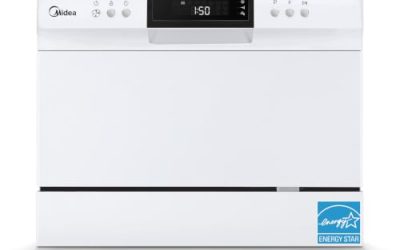
LG LDFN4542S
Why it fits energy-conscious buyers. The LDFN4542S is the straightforward efficiency pick: 258 kilowatt-hours per year is comfortably below the federal standard figure, its water factor of 2.9 matches the best full-size machines here, and it carries the federal energy certification in the CEE Tier 1 group. What makes it useful in daily life is the option set. Half Load lets a small load wash with reduced water and energy, Dual Zone runs different intensities in each rack so a mixed load does not default to the harshest program, and the Energy Saver option trims consumption on routine loads. The SenseClean system reads soil levels and adjusts automatically, and Dynamic Dry finishes dishes without leaning on a heating element for the whole dry phase.
Trade-offs. Its annual energy figure is the highest of the four picks, even though it remains well inside efficient territory, and the fixed 3rd rack does not adjust the way the rack on the LDTH7972S does. Front controls are convenient but give the door a busier look than top-control designs.
Best for / Skip if. Best for buyers who want front controls, a 3rd rack and a practical set of load-matching options in a full-size machine. Skip if you want the absolute lowest kilowatt-hour figure and can stretch to the LDTH7972S instead.
How to choose between these picks
Start with width, because it decides the shortlist immediately. If your cabinet opening is 18 inches, the EdgeStar is the only pick that fits, and its figures are strong enough that you give up nothing on efficiency. In a standard 24-inch opening, choose by which resource you care about most. For the lowest water use per cycle, the LG LDTH7972S at 2.9 gallons is the clear pick, and it ties for the best annual energy figure as well. For drying efficiency, the Samsung’s door-release drying removes the heated dry habit entirely, which suits households that run the machine overnight. For the simplest controls and the most flexible half-load options, the LG LDFN4542S is the easiest machine to live with, at a modest cost in annual kilowatt-hours. All four are certified efficient models, so there is no wrong answer here, only a better match for your kitchen and your habits.
Habits and care that keep energy use low
The machine sets the ceiling, but habits decide where you land under it. Scrape plates into the bin instead of pre-rinsing them under a running tap, since pre-rinsing can use more water than the dishwasher itself and the soil sensor needs some soil to read if it is going to shorten the cycle correctly. Run full loads, but not overloaded ones, because blocked spray arms lead to rewashed dishes. Use the eco or auto cycle as your default and save heavy programs for genuinely baked-on loads. Keep the filter clean on a regular schedule, since a clogged filter makes the pump work harder and leaves residue that tempts a second wash. Top up the rinse aid dispenser, because good sheeting action lets condensation drying finish the job without extra heat. Finally, if your utility offers time-of-use pricing, the delay start function on these machines lets you move the run to cheaper, lower-demand hours without changing anything else about your routine.
FAQ
What annual energy figure counts as efficient for a dishwasher?
The federal standard for a standard-size dishwasher is 307 kilowatt-hours per year, and certified efficient models must come in well under that figure. The full-size picks in this guide range from 238 to 258 kilowatt-hours per year, which is a meaningful gap over hundreds of cycles.
Does the annual figure assume a specific number of loads?
Yes. The standardized estimate is based on 215 loads per year, roughly four loads a week, and it includes standby energy. A household that runs the machine daily will use more than the label figure in absolute terms, but the ranking between models stays broadly the same.
Is a smaller dishwasher always more efficient?
Not automatically. Compact models are tested against their own class standard, and a compact machine run twice to handle one big load can use more than a full-size machine run once. The EdgeStar works because its figures are strong for its class and because its target households genuinely fill an 8-place-setting tub.
Do heated dry options raise energy use much?
They are one of the larger single contributors to a cycle’s energy use. Machines that dry by condensation, fan assistance or automatic door opening, like the Samsung in this guide, avoid most of that draw, which is why drying method is worth weighing alongside the headline kilowatt-hour figure.
Should I compare water use or energy use first?
Compare both, because they move together: most of a dishwasher’s energy goes into heating water, so a model that uses less water per cycle usually needs less energy too. The annual kilowatt-hour figure is the single best summary number, and gallons per cycle is the most useful second check.
Conclusion
For most households, the LG LDTH7972S is the efficiency pick to beat, pairing the lowest water use here with a joint-best annual energy figure in a full-size tub. Choose the Samsung DW80B6060UG/AA if heated dry is your current machine’s biggest energy habit and you want door-release drying instead. Pick the EdgeStar BIDW1802SS if your kitchen is compact and you want a built-in that runs full instead of a big machine that runs empty. Take the LG LDFN4542S if front controls and half-load flexibility matter more than squeezing out the last few kilowatt-hours. Whichever you choose, the certified figures put every one of these machines well ahead of the federal baseline, and your cycle habits will decide how much of that advantage you actually keep.