Our Short List of 3
All 4 Picks at a Glance
| Product | Specs | Action |
|---|---|---|
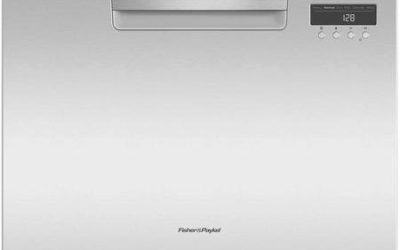
 Kenmore 22-14675 24-Inch Built-In Dishwasher — ASIN B0CFPNG5TW | Check price on Amazon | |
 EdgeStar BIDW1802SS 18-Inch Built-In Dishwasher — ASIN B07RP2S2R9 | Check price on Amazon | |
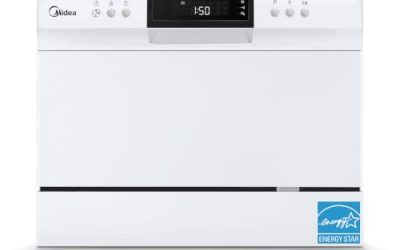
 LG LDTH7972S Top Control Smart Dishwasher — ASIN B0BX7FHNYM | Check price on Amazon | |
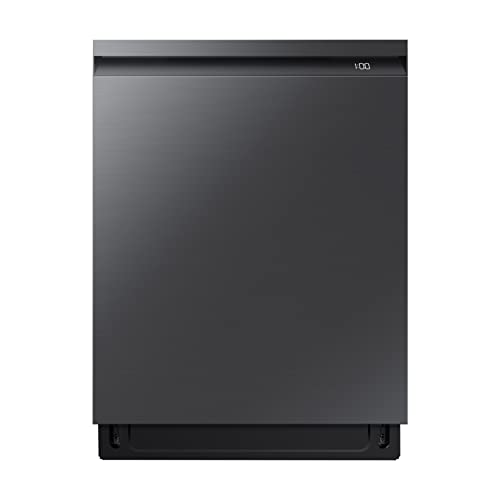 Samsung DW80B6060UG Smart Dishwasher — ASIN B0B9GHTQ1F | Check price on Amazon |
Key takeaways
- Best energy saving dishwashers compared on yearly kWh use, water per cycle and drying method, with four certified low-draw picks for US homes of every size.
If your electricity and water bills keep climbing, the dishwasher is one of the few appliances where the model you choose makes a measurable difference every single week. Two machines can hold the same number of place settings yet differ by 70 or more kilowatt hours over a year of federal test cycles, and by more than a gallon of water on every load. This guide is for households that run a dishwasher daily, pay close attention to utility use, or live with solar panels, well water or septic limits where every gallon and kilowatt hour counts twice.
The picks below are ranked first on the figures that decide energy use: the certified yearly energy consumption in kilowatt hours, water use per cycle, and the hardware that keeps those figures low in real kitchens — soil sensors that shorten light loads, eco cycles, half-load options and drying methods that do not lean on a heating element. Every pick is Energy Star certified and still sold on Amazon US. The selections rest on Amazon listing details, maker spec sheets and the federal energy registry — not on any in-house testing — so the numbers quoted here are the same published figures you can check on each listing before you buy.
Disclosure: As an Amazon Associate, we earn from qualifying purchases. Product details and availability can change; check the Amazon listing before you buy.
Quick picks at a glance
| Product | ASIN | Best for |
|---|---|---|
| Kenmore 22-14675 24-Inch Built-In | B0CFPNG5TW | Lowest yearly energy figure in a full-size family machine |
| EdgeStar BIDW1802SS 18-Inch Built-In | B07RP2S2R9 | Small kitchens that still want a certified low-draw built-in |
| LG LDTH7972S Top Control Smart Dishwasher | B0BX7FHNYM | Low energy and water use with steam cleaning and quiet running |
| Samsung DW80B6060UG Smart Dishwasher | B0B9GHTQ1F | Low yearly use with strong wash power and air-based drying |
What matters most when energy use is the priority
The yearly kilowatt hour figure, and how it is earned. The energy number on a dishwasher’s listing comes from a federal test procedure that runs a set mix of cycles over a year of typical use. For standard-size machines the federal ceiling sits at 307 kilowatt hours per year; every pick in this guide lands between 234 and 239, which puts them in the most efficient band of the current market. Treat the figure as a comparison tool between models rather than a promise about your own bill, because your cycle habits move the real number up or down.
Water per cycle. Heating water is where most of a dishwasher’s energy goes, so gallons per cycle track energy use closely. The federal ceiling for standard machines is 5.0 gallons per cycle. The strongest picks here use 3.2 gallons or less on their standard cycles, and soil-sensing models cut that further on light loads by shortening the wash and skipping extra rinses.
Soil sensing and automatic cycles. A turbidity sensor reads how dirty the water is and adjusts cycle length, temperature and water volume to match. On a load of glasses and lightly used plates, that can mean a much shorter, cooler wash than the fixed full-length cycle an entry-level machine runs every time. If you often wash partial or light loads, sensing hardware matters more than any single headline figure.
Drying method. Heated dry elements draw a burst of power at the end of every cycle. Condensation drying, fan-assisted drying and doors that open automatically to release steam all use less energy to get dishes dry. If you run the machine daily, choosing an air-based drying system is one of the simplest ways to keep yearly use down without changing how you load.
Eco and half-load options. An eco cycle washes cooler and longer, trading time for lower energy and water use — a fair trade for overnight loads. A true half-load option, which runs only one rack’s spray arms, keeps small loads from wasting a full cycle’s worth of water. Check that these options exist on the listing, not just in the marketing name.
Size class honesty. Compact 18-inch machines post low yearly figures partly because they wash less per load. If a compact forces you to run two loads where a full-size machine runs one, the full-size machine can use less energy per week. Compare figures within the size class that actually fits your household’s dish volume.
Kenmore 22-14675 24-Inch Built-In Dishwasher — ASIN B0CFPNG5TW
Why it fits an energy-first brief. The Kenmore posts the lowest yearly energy figure of any full-size pick in this guide — 234 kilowatt hours on the federal registry — while still holding 15 place settings, so a family is not trading capacity for efficiency. The SmartWash cycle reads soil levels and tailors water and time to the load instead of running a fixed program, and the fan-assisted TurboDry finish dries without relying solely on a heated element. The Half Load option listed among its cycle options lets small loads run one level of the machine rather than the whole tub.
Trade-offs. The listing’s own water-consumption field and the registry data do not agree, so confirm the current per-cycle water figure on the listing before ordering if that number drives your decision. Kenmore’s model numbering is dense; match part number 2214675 when comparing listings.
Best for / Skip if. Best for families who want the lowest certified yearly figure in a standard 24-inch cutout. Skip if you want app control or a steam cycle — this is a sensor-and-racks machine, not a connected one.
EdgeStar BIDW1802SS 18-Inch Built-In Dishwasher — ASIN B07RP2S2R9
Why it fits an energy-first brief. At 234 kilowatt hours per year, the EdgeStar matches the full-size Kenmore’s headline figure in an 18-inch frame that fits the narrow cutouts left by old trash compactors and small-kitchen cabinets. Its ECO cycle is the low-draw program for everyday loads, and the leak sensor guards against the slowest kind of water waste — a leak you never notice. For a one- or two-person household whose daily output genuinely fits 8 place settings, this is the lowest-draw built-in format on Amazon US.
Trade-offs. Eight place settings is a hard ceiling: a household that cooks big meals will run it twice, erasing the per-load advantage. At 52 dB it is the loudest pick here, and the Heated Dry option draws element power when selected — leave it off and crack the door instead when the load allows.
Best for / Skip if. Best for small households and narrow kitchens that want a built-in with a certified low yearly figure. Skip if your daily loads regularly exceed 8 place settings.
LG LDTH7972S Top Control Smart Dishwasher — ASIN B0BX7FHNYM
Why it fits an energy-first brief. The LG pairs a 238 kilowatt hour yearly figure with the lowest water use in this guide — 2.9 gallons per cycle — which matters because heating water dominates a dishwasher’s energy draw. SenseClean soil sensing trims cycle time and water on light loads, and the 1-Hour Wash and Dry cycle gives a fast turnaround without defaulting to the longest, hottest program. TrueSteam loosens baked-on soil with steam, which helps the machine clean on standard cycles instead of pushing you toward energy-hungry intensive programs.
Trade-offs. It is the heaviest pick here at 97 lb, so plan the install accordingly. Steam cycles use more energy than the standard program; the low yearly figure assumes a normal cycle mix, so treat steam as a targeted tool for stubborn loads rather than the daily default.
Best for / Skip if. Best for households that want low energy and low water figures together, plus quiet 42 dBA running for open-plan spaces. Skip if your priority is the absolute lowest yearly figure regardless of features — the Kenmore above edges it on that single number.
Samsung DW80B6060UG Smart Dishwasher — ASIN B0B9GHTQ1F
Why it fits an energy-first brief. The Samsung’s 239 kilowatt hour yearly figure comes with the most energy-aware drying system in this guide: instead of heating an element, the AutoRelease Door pops open at the end of the cycle and lets room air finish the job. StormWash+ concentrates a high-pressure jet zone on the dirtiest items, so heavily soiled pots can share a standard cycle instead of forcing a separate intensive run, and Wi-Fi scheduling through SmartThings makes it easy to start loads when your household’s other big appliances are idle.
Trade-offs. Samsung’s own materials state this model’s capacity inconsistently, so judge the interior by its three-rack layout in person or on the listing rather than a single place-setting number. The listing text claims a top-tier efficiency designation that the federal registry does not repeat for this model family; the verified facts are the 239 kWh figure and standard certification, which are strong enough on their own.
Best for / Skip if. Best for buyers who want low yearly use plus connected scheduling and strong targeted washing. Skip if you prefer physical controls — this is a touch-panel, app-forward machine.
How to choose between these picks
Start with size, because it decides which figures you may fairly compare. If your cutout is 18 inches, the EdgeStar is the only pick that fits, and its 234 kWh figure is genuinely low for its class. For a standard 24-inch opening, the contest is between the Kenmore, LG and Samsung, all within 5 kilowatt hours of each other per year — close enough that secondary factors should decide.
Choose the Kenmore if the yearly figure is your single deciding number and you want sensor-based washing without connected features. Choose the LG if water use matters alongside energy — its 2.9 gallons per cycle is the guide’s lowest — or if steam cleaning would keep you off intensive cycles. Choose the Samsung if drying energy is your concern: its auto-opening door removes the heated dry draw entirely, and its app scheduling suits households managing overall electricity load. In every case, confirm the current listing’s energy figure before ordering, because makers revise model years and the registry entry follows the exact model number.
Habits and care that keep energy use low
The machine sets the ceiling; your habits decide how close you get to it. Run full loads — a half-empty run spends nearly the same energy and water as a full one. Use the eco or sensor cycle as the default and keep intensive and sanitize programs for the loads that truly need them; sanitize temperatures are the most energy-hungry setting on any of these machines. Skip heated dry where the model allows it and let air-based drying finish the load, especially overnight.
Keep the filter clean on a monthly rhythm: a clogged filter makes the pump work harder and can leave soil redeposited, which tempts a second wash — the most wasteful outcome of all. Use rinse aid even if you dislike additives; it lets water sheet off dishes so air drying works properly at lower temperatures. If your water heater is set far above 120 degrees Fahrenheit, the dishwasher cannot claim the difference back, so check the household setting too. Finally, use delay start to run the machine when your home’s other large appliances are off, which smooths total household draw even though the dishwasher’s own figure stays the same.
FAQ
What yearly energy figure should I look for in a full-size dishwasher?
The federal ceiling for standard-size models is 307 kWh per year. Anything under 250 kWh sits in the efficient band of the current market, and every full-size pick in this guide falls between 234 and 239 kWh on published figures.
Does water use really change energy use that much?
Yes. Most of a dishwasher’s electricity goes to heating water, so a model using 2.9 gallons per cycle spends less energy heating than one using 5.0 gallons, before any difference in motors or drying systems is counted.
Is an 18-inch dishwasher always the lowest-energy choice?
Per load, usually — but not per dish. If a compact machine makes you run two loads for what a full-size machine does in one, the full-size machine wins the week. Match the size class to your real daily dish volume first, then compare figures inside that class.
Should I turn off heated dry to use less energy?
On models that offer the choice, yes. Air-based methods — condensation, fan assistance or an auto-opening door like the Samsung’s — dry dishes without the element’s end-of-cycle power draw, at the cost of a little extra time.
Do eco cycles actually use less energy if they run longer?
Yes. Eco programs wash at lower temperatures for longer, and temperature is what drives energy use; the longer run time adds only a small amount of pump energy by comparison. They are the right default for overnight loads.
Conclusion
For the lowest certified yearly figure in a full-size machine, choose the Kenmore 22-14675 at 234 kWh per year. For a small kitchen, the EdgeStar BIDW1802SS delivers the same headline figure in an 18-inch frame. For the best balance of low energy and low water use with steam on call, choose the LG LDTH7972S. And for drying that skips the heating element entirely, backed by app scheduling, choose the Samsung DW80B6060UG. Whichever you pick, verify the energy figure against the exact model number on the listing, then let full loads and eco cycles do the rest.