Our Short List of 3
All 3 Picks at a Glance
| Product | Specs | Action |
|---|---|---|
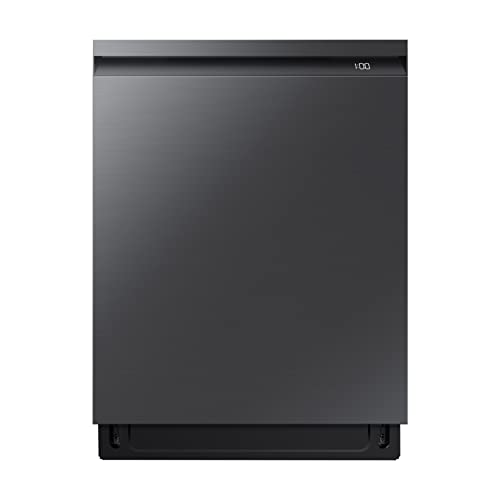 Samsung DW80B6060UG/AA with StormWash+ | Check price on Amazon | |
 Sharp SDW6757ES | Check price on Amazon | |
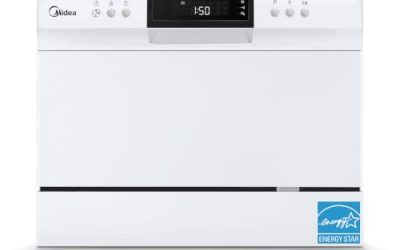
 LG LDFN4542S | Check price on Amazon |
Key takeaways
- Compare the best cleaning dishwashers under 700 by wash system: targeted spray zones, soil sensors, sanitize cycles and filtration, with specs for each pick.
Cleaning power is the one thing a dishwasher cannot fake with styling. In this price band, the difference between a load that comes out spotless and one that needs a second run comes down to hardware: how many spray arms the machine has, whether a dedicated high-pressure zone handles baked-on cookware, whether soil sensors adjust the cycle to the load in front of them, and how the filtration system keeps loosened food from settling back onto clean dishes. This guide is for buyers who cook often, load casseroles and sheet pans without pre-rinsing, and want the strongest wash systems available in this band rather than the longest feature list.
Every pick below was chosen from manufacturer specifications and Amazon US listing details for the exact model named. No testing claims are made anywhere in this guide; the comparisons rest on published wash-system design, cycle and option lists, and certified consumption figures. The band itself appears only in the title and metadata, as it should: what follows is about how these machines clean, not about what any of them costs on a given day.
Disclosure: As an Amazon Associate, we earn from qualifying purchases. Product details and availability can change; check the Amazon listing before you buy.
Quick picks at a glance
| Product | ASIN | Best for |
|---|---|---|
| Samsung DW80B6060UG/AA with StormWash+ | B0B9GHTQ1F | Baked-on cookware in a marked high-pressure zone |
| Sharp SDW6757ES | B08GFP9ZS7 | A dedicated Power Wash sprayer plus heated dry |
| LG LDFN4542S | B0BDMR9745 | Multi-angle spray coverage and soil-sensing cycles |
| Bosch SHE53B75UC 300 Series | B0BT5SJB1F | Sensor-driven wash with a built-in water softener |
What matters most for cleaning in this band
Targeted spray zones. A standard wash arm sweeps the whole tub at one pressure. A targeted zone — Samsung’s StormWash+ area, Sharp’s Power Wash sprayer — concentrates a stronger jet on one section of the lower rack, which is where casseroles, roasting pans and lasagna dishes belong. If your loads regularly include dried-on food, a named zone matters more than an extra cycle.
Soil sensors that actually change the cycle. A turbidity sensor measures how dirty the wash water is and extends, shortens or intensifies the cycle accordingly. LG calls its system SenseClean, Bosch builds sensor checks into PrecisionWash, and Sharp lists soil sensors among its responsive wash features. Sensors are what let an Auto cycle clean a heavy load thoroughly without wasting water on a light one.
Spray arm count and coverage geometry. Three arms (top, upper, lower) cover more angles than two. LG’s QuadWash design uses four multi-motion arms to reach corners that a single rotating arm can miss. Coverage is the quiet determinant of whether the items at the back of the upper rack come out as clean as the items at the front.
Filtration versus disposer. All four picks here filter rather than grind: LG uses a three-stage filtration system, Bosch a five-level wash with triple filtration. Fine filtration keeps particles out of the spray water, which protects cleaning consistency across the cycle, but it asks you to clean the filter by hand on a regular schedule.
Sanitize and high-temperature options. An NSF-certified sanitize option raises the final rinse temperature to reduce bacteria on dishes — useful for cutting boards, baby items and canning jars. Bosch, Samsung and Sharp all list a sanitize option; LG offers a High Temp option instead. Check the option list, not just the cycle list, before you buy.
Water softening for hard-water homes. Film and spots are a cleaning failure even when the soil is gone. The Bosch pick includes a built-in water softener, which addresses hard-water residue at the source rather than relying on rinse aid alone. If your water is hard and you have no whole-house softener, that single feature can decide the shortlist.
Samsung DW80B6060UG/AA with StormWash+
Why it fits a cleaning-first brief. StormWash+ is the most explicit heavy-soil system in this group: dual wash arms plus a rotating spray jet deliver high-pressure water to a marked zone on the left of the lower rack, covering more area than a single arm pass. The Pre Blast cycle option loosens dried food before the main wash starts, which is the correct sequence for cookware that sat overnight. The sanitize option is NSF certified, and the half-load option confines a small wash to the lower rack — where the StormWash+ zone lives — instead of running the full tub.
Trade-offs. Samsung’s own documents conflict on this model’s place-setting count, so this guide describes capacity by its three-rack layout rather than printing a number; measure your largest pans against the lower rack before ordering. The AutoRelease door improves drying but means the door pops open at cycle end, which some households with curious pets prefer to avoid.
Best for / Skip if. Best for cooks who regularly wash baked-on pans and want a defined heavy-soil zone. Skip if you need a front-control panel or a built-in water softener.
Sharp SDW6757ES
Why it fits a cleaning-first brief. Sharp puts its extra hardware exactly where cleaning is decided: a third sprayer forms a Power Wash zone, and the listing directs your most soiled pots and pans to sit above it for extra scrubbing power. Soil sensors let the responsive cycles adjust to load conditions instead of running a fixed program. The stainless tub, racks and baskets resist staining and odor retention better than plastic components, and the heated dry option finishes the job on plastics that condensation drying leaves wet. At 45 dBA it is also quiet enough to run the heavy cycle during the evening.
Trade-offs. The machine is deeper than a standard cabinet run, so verify your cutout depth and countertop overhang before ordering. Six cycles is a shorter list than the LG’s nine, though the seven options cover the cleaning-relevant ground: sanitize, half load and heated dry are all present.
Best for / Skip if. Best for buyers who want a targeted wash zone and heated drying in one machine. Skip if your cabinet depth is tight or you want front controls.
LG LDFN4542S
Why it fits a cleaning-first brief. QuadWash attacks the coverage problem directly: four multi-motion arms spray from more angles than a conventional two-arm layout, and the SenseClean system reads soil level through a turbidity sensor so the Auto cycle matches effort to the load. The Dual Zone option lets the upper and lower racks run at different intensities in the same cycle — gentle on top, aggressive below — which is the right answer for mixed loads of glassware over cookware. A three-stage filter traps food particles to keep spray water clean, and the fixed third rack frees the lower rack for the pans that need the strongest wash.
Trade-offs. At 48 dBA it is the loudest pick here, noticeable in an open-plan room. There is no NSF-certified sanitize option; the High Temp option raises wash temperature but is a different claim, so households that need certified sanitizing should look at the Samsung, Sharp or Bosch. Dynamic Dry is a condensation-based system, so plastics come out less dry than with the Sharp’s heated dry.
Best for / Skip if. Best for mixed loads and buyers who value spray coverage and cycle variety. Skip if certified sanitize is a requirement or the machine will run beside a living area.
Bosch SHE53B75UC 300 Series
| Spec | Figure |
|---|---|
| Type | 24-inch built-in, pocket handle |
| Capacity | 15 place settings |
| Wash system | PrecisionWash with intelligent sensors, five-level wash |
| Cycles | 6 (Heavy, Auto, Normal, Speed60, Favorite, Rinse) |
| Options | 6, including Sanitize, Extra Dry, Delay Start, MachineCare |
| Noise | 46 dBA |
| Energy use | 269 kWh per year, Energy Star qualified |
| Water use | 3.5 gallons per cycle |
| Water softener | Built in |
| Tub | Stainless steel |
| Third rack | Standard third rack |
| Drying | PureDry |
| Connectivity | Home Connect Wi-Fi |
| Weight | 90 lb |
Why it fits a cleaning-first brief. PrecisionWash uses sensors to check wash progress during the cycle and precision spray arms to direct water where the load needs it, and the five-level wash system covers the full tub height. The distinguishing cleaning feature, though, is the built-in water softener: in hard-water homes it prevents the mineral film that makes otherwise clean dishes look dirty, and it does so without depending on rinse aid alone. The sanitize option is NSF certified, the Speed60 cycle handles a full load in about an hour, and the MachineCare option reminds you to run the maintenance cycle that keeps the wash system itself performing.
Trade-offs. PureDry is a condensation system with no fan or heating element, so plastic items may need a towel pass. At 269 kWh per year it uses the most energy of this group, and the 46 dBA figure sits mid-pack. The softener needs dishwasher salt, an ongoing consumable the other picks do not require.
Best for / Skip if. Best for hard-water homes and buyers who trust sensor-driven cycles over manual program selection. Skip if you want heated drying or the lowest energy figure in the band.
How to choose between these picks
Start with your soil, not your cycles. If your hardest loads are baked-on pans and roasting dishes, choose between the two targeted-zone machines: the Samsung if you also want the quietest operation here and a pre-wash blast option, the Sharp if heated drying for plastics matters as much as the wash itself. If your loads are mixed — delicate items up top, heavy items below — the LG’s Dual Zone and four-arm coverage solve that specific problem better than any single-zone machine. If your dishes come out spotted and filmed despite washing clean, the problem is your water, and the Bosch’s built-in softener is the only pick that treats it.
Then check the constraints. Measure cabinet depth before choosing the Sharp. Decide whether certified sanitize is a genuine need; if it is, the LG drops out. Finally, weigh drying: heated dry (Sharp), door-open dry (Samsung), and condensation dry (LG, Bosch) suit different households, and no wash system compensates for a drying method you dislike.
Loading and care habits that decide real cleaning results
Even the strongest wash system underperforms with poor loading. Place the dirtiest cookware in the targeted zone — the marked StormWash+ area on the Samsung, above the Power Wash sprayer on the Sharp — facing the spray, not stacked flat. Angle bowls and pans so water can reach the soiled surface and drain off; a pan facing straight up collects dirty water no matter how strong the jet is. Scrape plates into the bin but skip pre-rinsing: modern soil sensors need some soil in the water to read the load correctly, and a fully rinsed load can trick an Auto cycle into under-washing the cookware that shares the rack.
Keep the filtration system clean. The LG’s three-stage filter and the Bosch’s filtration both need regular rinsing under the tap; a clogged filter recirculates particles and quietly degrades every cycle. Run the machine-clean cycle (a named cycle on the LG, the MachineCare option on the Bosch) on the maker’s schedule. On the Bosch, keep the softener’s salt reservoir topped up, and on every model keep rinse aid filled — it is a drying and spotting aid, not an optional extra. Finally, check that nothing tall in the lower rack blocks the upper spray arm’s rotation before you close the door; a stalled arm is the most common cause of a mysteriously half-clean load.
FAQ
Do targeted wash zones really clean better than a standard wash arm?
They concentrate pressure and water volume on one area of the lower rack instead of spreading it across the whole tub. For the pans placed in that zone, the maker specifications support stronger soil removal; items outside the zone get the standard wash. Both targeted picks here — the Samsung’s StormWash+ and the Sharp’s Power Wash — still wash the full tub on every cycle.
Is a sanitize option the same as a high-temperature option?
No. A sanitize option on the Samsung, Sharp and Bosch is NSF certified to a defined reduction standard for the final rinse. LG’s High Temp option raises the wash temperature, which helps with greasy soil, but it is not the same certified claim. If sanitizing matters for your household, compare the option lists, not the marketing names.
How much water do these machines use per cycle?
The Sharp and the Bosch each list 3.5 gallons per cycle, and the Samsung lists 3.2 gallons per cycle, per their published specifications. Sensor-driven cycles vary actual use with load soil: a light load on Auto finishes with less water than a heavy load, which is the point of the sensor.
Does a built-in water softener replace rinse aid?
Not entirely. The Bosch’s softener treats the wash water itself, which prevents mineral film from forming during the wash. Rinse aid still helps water sheet off dishes during drying. In hard-water homes the softener does the heavier work; in soft-water homes it adds little, and its salt reservoir is one more consumable to maintain.
Why do these picks filter food instead of grinding it?
Fine filtration keeps loosened particles out of the spray water for the rest of the cycle, which supports consistent cleaning and quieter operation. The cost is maintenance: the filter needs periodic hand cleaning. A disposer design trades that chore away but is not offered among the verified picks in this band.
Conclusion
For most cleaning-first buyers in this band, the Samsung DW80B6060UG/AA is the default recommendation: the StormWash+ zone, Pre Blast option and certified sanitize cover the widest range of hard loads, and it does so at the lowest noise figure here. Choose the Sharp SDW6757ES if heated drying matters alongside the wash, the LG LDFN4542S if your loads mix delicate and heavy items and you want the broadest spray coverage, and the Bosch SHE53B75UC if hard water is the real reason your dishes never look clean. Any of the four will out-clean an older machine with a single wash arm and no sensors; the right choice is the one whose wash system matches the soil you actually produce.