Key takeaways
- The best and quiet automatic dishwashers pair sensor-driven auto cycles with 42 to 46 dBA operation. Compare verified LG, Samsung and Bosch picks here.
A quiet automatic dishwasher does two jobs at once: it runs softly enough to start during dinner, a film, or a baby’s nap, and its auto cycle reads the load for you, adjusting water temperature, cycle length, and spray intensity to the soil it actually finds. That combination matters most in open-plan homes, apartments, and kitchens that flow into living space, where a loud machine gets postponed to bedtime and a guessed-at cycle either wastes water on clean glasses or leaves baked-on pans half done. This guide compares three verified 24-inch built-in models that pair a listed sound figure of 46 dBA or lower with a genuine sensor-driven auto program. Every pick was chosen from manufacturer specifications and Amazon US listing details for the exact model, and every model below has an Amazon listing whose product page could be opened and checked directly. Nothing here rests on personal-use claims: the comparison is built on published decibel figures, cycle lists, sensor descriptions, and dimensions you can confirm on the listing before you order.

Disclosure: As an Amazon Associate, we earn from qualifying purchases. Product details and availability can change; check the Amazon listing before you buy.
Quick picks at a glance
| Product | ASIN | Best for |
|---|---|---|
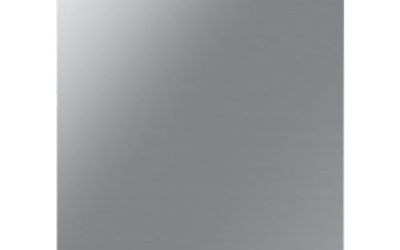
| LG LDTH7972S | B0BX7FHNYM | The quietest pick at 42 dBA, with steam and a sensor auto cycle |
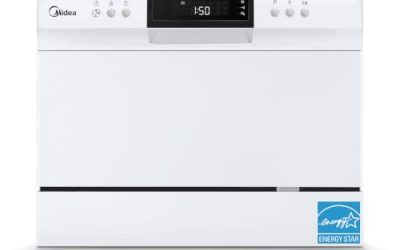
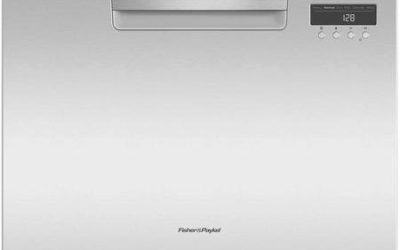
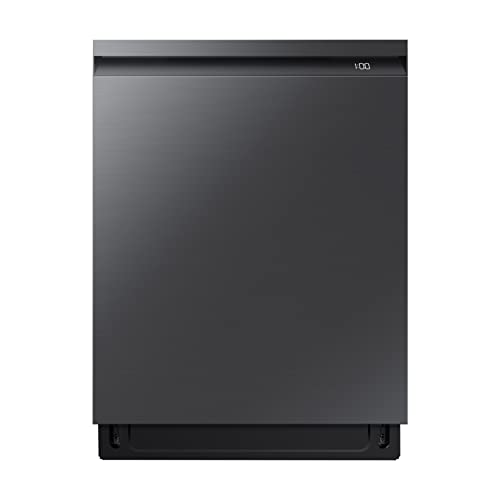
| Samsung DW80B6060UG/AA | B0B9GHTQ1F | Open-plan homes that want auto sensing plus a door that opens to dry |
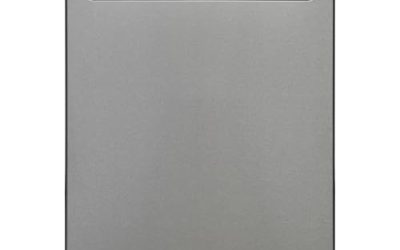
| Bosch SHE53B75UC | B0BT5SJB1F | Hard-water homes: sensor wash, a built-in softener, and 24/7 leak protection |
What matters most for quiet, automatic washing
The decibel figure, and what sits behind it. Sound figures for dishwashers are published in dBA, and the gap between 42 and 46 dBA is audible in a quiet room even though both count as quiet machines. The figure comes from insulation around the tub, a stainless steel interior that absorbs sound better than plastic, and the wash system design. All three picks here use stainless tubs and filtration rather than a hard food disposer, which removes one of the loudest components a dishwasher can have.
How the auto cycle senses soil. A true automatic program is not just a renamed normal cycle. Each pick here uses a soil or turbidity sensor that shines light through the wash water or measures its cloudiness, then adjusts temperature, water volume, and cycle time to match. LG calls its system SenseClean, Bosch builds its sensing into PrecisionWash, which keeps scanning progress during the cycle, and Samsung’s Auto program opens its seven-cycle list. The practical payoff: lightly soiled loads finish shorter and cooler, while a roasting pan load gets the heat and time it needs, without you guessing.
Whether sensing continues after the cycle starts. Some auto programs take one reading at the start and commit. Bosch’s PrecisionWash keeps checking the water as the cycle runs and adjusts spray pressure to match, and LG’s sensor works with its wash system throughout the Auto program. Continuous adjustment is what makes an automatic cycle trustworthy on mixed loads, where the top rack holds glasses and the bottom holds a casserole dish.
Drying, because a quiet machine still has to finish the job. The three picks dry differently. The LG uses heated dynamic dry, the Samsung pops its door open at the end of the cycle to circulate air, and the Bosch uses condensation drying with an Extra Dry option for stubborn items. If your loads are heavy on plastic containers, the Samsung’s door-open approach and the LG’s heated dry are the stronger fits; condensation drying rewards a rinse aid habit and a little patience before unloading.
Living with a machine you cannot hear. At 42 to 46 dBA, you will regularly wonder whether the dishwasher is running at all. Look for a floor-projected or front status indicator, a time-remaining display, and a delay start you can set for the small hours. The LG hides its controls on top of the door and shows remaining time on a front display, the Samsung shows cycle progress on its display, and Bosch builds its reputation on machines quiet enough that a status light becomes a necessity rather than a luxury.
Capacity and rack layout at this size. All three are full-size 24-inch built-ins with a third rack for cutlery and utensils, which frees the lower rack for pots. The LG and Bosch publish capacities of 15 place settings, and the LG’s third rack adjusts in height for taller items up top. If you wash stockpots and sheet pans often, check the lower-rack tine layout and the upper rack’s height positions against your tallest cookware.
LG LDTH7972S — the quietest pick, with steam on top
| Spec | Detail |
|---|---|
| Sound figure | 42 dBA (LoDecibel quiet operation) |
| Place settings | 15 |
| Wash cycles | 10 (Auto, Heavy, Delicate, Refresh, Normal, 1-Hour, Download Cycle, Machine Clean, Rinse, Express) |
| Options | 8 (Flex Zone, Steam, High Temp, Dry Boost, Delay Start, Control Lock, Night Dry, Remote Start) |
| Sensor system | Soil (turbidity) sensor with SenseClean wash system |
| Wash system | QuadWash Pro, three spray arms |
| Drying | Dynamic Heat Dry |
| Tub material | Stainless steel |
| Energy use | 238 kWh per year, Energy Star certified |
| Water use | 2.9 gallons per cycle on the Normal cycle |
| Controls | Top control, Wi-Fi enabled (ThinQ) |
| Dimensions (W x H x D) | 23.75 x 33.63 x 24.63 in |
Why it fits quiet automatic washing. At 42 dBA, this is the quietest machine in the guide and one of the quietest figures published for a full-size built-in. Its Auto cycle is driven by a turbidity sensor that reads how dirty the water is and sets the wash to match, which is exactly the automatic behaviour this keyword calls for. Around that core it adds TrueSteam for loosening residue and cutting water spots, a 1-Hour Wash and Dry cycle for turnaround loads, and a Night Dry option that suits overnight running in homes where the kitchen sits near bedrooms.
Trade-offs. The control panel hides on the top edge of the door, so you read cycle status from the front display rather than the buttons. Published weight figures for this model conflict between sources, so confirm handling and delivery details on the listing if a flight of stairs is involved. Steam and the full option list also make this the most feature-dense control layout of the three, which takes a week of use to learn.
Best for / Skip if. Best for open-plan homes that want the lowest sound figure plus steam. Skip if you prefer visible front controls you can read at a glance across the room.
Samsung DW80B6060UG/AA — auto sensing with a door that dries for you
| Spec | Detail |
|---|---|
| Sound figure | 44 dBA |
| Wash cycles | 7 (Auto, Normal, Heavy, Delicate, Express 60, Pre Blast, Download Cycle) |
| Options | 7 (Half Load lower rack, StormWash+, Hi-Temp Wash, Sanitize, Delay Start, Control Lock, Smart Control) |
| Wash system | StormWash+ with dual wash arms and a high-pressure spray jet |
| Drying | AutoRelease Door: the door opens at cycle end to circulate air |
| Tub material | Stainless steel |
| Racks | Three racks with FlexLoad rack system, adjustable middle rack |
| Energy use | 239 kWh per year, Energy Star certified |
| Water use | 3.2 gallons per cycle |
| Controls | Top control touch, Wi-Fi connected (SmartThings app) |
| Dimensions (W x H x D) | 23.8 x 33.6 x 25 in |
| Weight | 89.3 lb |
| Warranty | One year parts and labor |
Why it fits quiet automatic washing. The Auto program leads Samsung’s cycle list and adjusts the wash to the load, while StormWash+ adds a targeted high-pressure jet for the baked-on corner of the tub that automatic cycles can under-serve. The AutoRelease door is the distinctive touch: when the cycle ends, the door opens a little and lets air circulate, which dries plastics noticeably better than a sealed tub and means the machine finishes its work without a heated dry phase running up noise at the end. At 44 dBA it sits comfortably in conversation-level territory for open-plan rooms.
Trade-offs. Samsung’s own materials disagree on this model’s place-setting count, so judge capacity by the three-rack layout rather than a headline number, and check the listing’s dimensions carefully: at 25 inches deep it is the deepest of the three, which matters in shallow cabinetry runs. The Pre Blast option is a pre-rinse step you trigger yourself, so the fully hands-off routine is Auto on its own.
Best for / Skip if. Best for households that load a lot of plasticware and want it dry without a heated cycle. Skip if your cutout is depth-limited or you want the absolute lowest decibel figure.
Bosch SHE53B75UC — sensor wash with a built-in water softener
| Spec | Detail |
|---|---|
| Sound figure | 46 dBA |
| Place settings | 15 |
| Wash cycles | 6 (Heavy, Auto, Normal, Speed60, Favorite, Rinse) |
| Options | 6 (Sanitize, Remote Start, Extra Dry, Delay Start, Delicate, Machine Care) |
| Wash system | PrecisionWash with intelligent sensors and five-level wash |
| Drying | PureDry condensation drying |
| Water softener | Built in |
| Leak protection | AquaStop Plus, works 24/7 |
| Tub material | Stainless steel |
| Racks | Standard third rack, RackMatic adjustable upper rack |
| Controls | Full console front controls, Home Connect Wi-Fi |
| Dimensions (W x H x D) | 23.56 x 34.06 x 22.56 in |
| Weight | 90 lb |
| Warranty | One year parts and labor |
Why it fits quiet automatic washing. PrecisionWash is the most explicit sensing story here: intelligent sensors scan the load and keep checking progress through the cycle, adjusting the wash so each item gets the pressure it needs. The Auto program sits alongside it for everyday loads. The built-in water softener is a genuine differentiator for hard-water homes, because softened water leaves fewer spots for the sensor to misread and fewer marks on glass. AquaStop Plus guards against leaks around the clock, and at 46 dBA the machine still runs quietly enough for evening use in most homes.
Trade-offs. This is the loudest of the three by the published figure, though the difference is modest in a real kitchen. PureDry condensation drying is the gentlest on energy and the slowest on plastics, so the Extra Dry option earns its place on container-heavy loads. Bosch’s published water figure and the figure shown on the Amazon listing do not agree for this model, so compare its consumption on the maker’s spec sheet rather than a single listing field.
Best for / Skip if. Best for hard-water homes that want sensor washing plus softening in one machine. Skip if the last few decibels matter more than water treatment, or if you unload plastics the minute a cycle ends.
How to choose between these picks
Start with the room. If the dishwasher shares air with your sofa or a nursery, the LG’s 42 dBA figure is the safest choice, and its steam options help if you would rather not pre-rinse. If drying plastics is your recurring frustration, the Samsung’s door-open dry solves it mechanically rather than with more heat, and its Auto cycle plus StormWash+ jet covers both the everyday load and the baked-on pan. If your water leaves white film on glasses, choose the Bosch: the softener attacks the cause, PrecisionWash handles the sensing, and 46 dBA is still quiet in a closed kitchen. Households that run the machine overnight should weigh the LG’s Night Dry and delay options; households that run it during the workday from an app are served by all three, since each offers Wi-Fi control.
Getting the best from an automatic cycle: setup and care
An auto cycle can only judge the load it can see. Scrape plates into the bin but skip the pre-rinse under the tap: arriving dishes that are already clean can fool the soil sensor into shortening a wash that the pots at the back still need. Load so water reaches the sensor’s world, which means keeping the spray arms free to rotate and not nesting bowls. Keep the filter clean on the maker’s schedule, because a clogged filter clouds the water the sensor reads and quietly degrades every automatic decision. Run the machine-clean or Machine Care cycle the LG and Bosch provide when the tub starts to smell, and keep rinse aid topped up, especially with condensation drying. For night running, use delay start so the cycle lands in the small hours, and check that the status indicator is visible from the doorway, since at these sound figures your eyes replace your ears.
FAQ
What does an automatic cycle actually do that a normal cycle does not?
A normal cycle runs a fixed program. An automatic cycle uses a soil sensor to measure how dirty the wash water is, then sets temperature, water volume, and cycle length to match, and on the Bosch it keeps adjusting as the wash progresses. Light loads finish faster; heavy loads get more time and heat.
How quiet is 42 to 46 dBA in a real kitchen?
Figures in this range are commonly compared with a quiet library or soft rainfall. In practice, all three machines here can run during conversation and television without raising voices, and the main sounds left are water movement and the clink of items settling, not motor noise.
Does the auto cycle use less water than choosing a cycle myself?
It can, because the sensor shortens and cools the wash on lightly soiled loads instead of running the full program. The LG publishes 2.9 gallons per cycle on its Normal cycle and the Samsung 3.2 gallons per cycle, and an auto program trims from that baseline when the load allows.
Why do the picks avoid hard food disposers?
A disposer grinds food waste with extra hardware and noise. These models use filtration systems instead, which is one reason their published sound figures reach the low forties. The trade-off is a filter you rinse by hand on a regular schedule.
Will an automatic cycle handle baked-on pans?
Yes, with the right help. The sensor extends time and temperature when the water stays dirty, the Samsung adds a high-pressure StormWash+ jet for the worst corner, and the LG adds steam to loosen residue. For carbonised trays, the Heavy cycle still exists as a manual override.
Conclusion
For the quietest automatic wash, choose the LG LDTH7972S: 42 dBA, a turbidity-sensor Auto cycle, steam, and heated drying in one machine. For open-plan living where dry plastics matter as much as low noise, choose the Samsung DW80B6060UG/AA and its door-open finish. For hard water and the most attentive sensing, choose the Bosch SHE53B75UC, whose PrecisionWash system and built-in softener justify its slightly higher sound figure. Any of the three lets you press one button, trust the sensor, and stay in the room while it works.