Our Short List of 3
All 4 Picks at a Glance
| Product | Specs | Action |
|---|---|---|
 LG LDTH7972S — ranked first on the two headline figures | Check price on Amazon | |
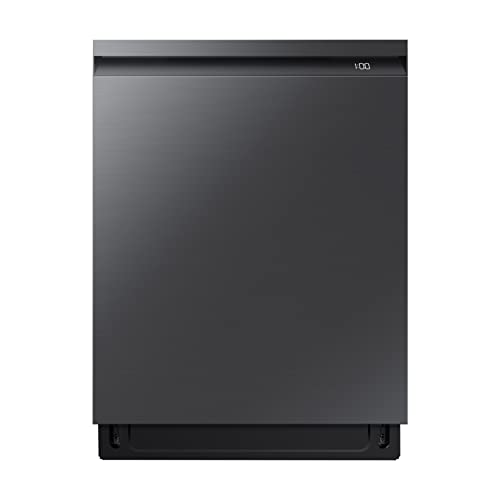
| Samsung DW80B6060UG/AA — second, on water use and certified sanitize | Check price on Amazon | |
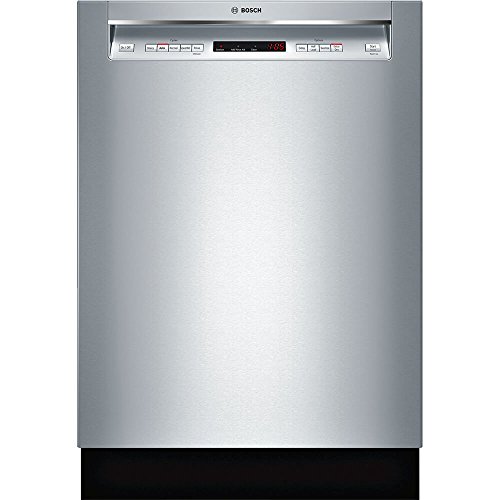 Bosch SHEM63W55N (300 Series) — third, the capacity leader | Check price on Amazon | |
 LG LDFN4542S — fourth, the front-control all-rounder | Check price on Amazon |
Key takeaways
- Compare the best ranked dishwashers by the figures that count: dBA sound level, yearly energy use, water per cycle, capacity and sanitize options for US homes.
Most dishwasher roundups ask you to trust a score you cannot check. This guide takes the opposite approach: the four machines below are ranked by the measurable figures their makers publish — sound level in dBA, annual energy use in kilowatt hours per year, water use in gallons per cycle, place-setting capacity, and whether the sanitize option carries NSF certification. Every figure comes from the maker’s own specification sheet for the exact model or from the Amazon listing itself, so you can see why each machine sits where it does and re-rank the list against your own priorities.
Disclosure: As an Amazon Associate, we earn from qualifying purchases. Product details and availability can change; check the Amazon listing before you buy.
Quick picks at a glance
| Product | ASIN | Best for |
|---|---|---|
| LG LDTH7972S | B0BX7FHNYM | The quietest figure here (42 dBA) plus steam |
| Samsung DW80B6060UG/AA | B0B9GHTQ1F | Certified sanitize, door-open drying, low water use |
| Bosch SHEM63W55N (300 Series) | B06Y25S9CT | Largest capacity here, at 16 place settings |
| LG LDFN4542S | B0BDMR9745 | Front controls and a 10-year motor warranty |
What matters most when ranking dishwashers by the numbers
Sound level (dBA). The decibel figure is the most compared number on any dishwasher, and the gap between machines is wider than it looks: each step of a few dBA is plainly audible in an open-plan room. The four picks here span 42 to 48 dBA. Anything at 44 dBA or below is easy to run during conversation or television time; 48 dBA is noticeable in a quiet house at night.
Annual energy use (kWh/yr). This figure comes from the federal test procedure, which runs a set number of cycles per year on a standard load, making it directly comparable across brands. Lower is better, and the spread in this group runs from 238 to 269 kWh per year.
Water per cycle (gallons). Water use is published as gallons per cycle or as a water factor figure, and matters most on well water, septic systems, and in homes that run the machine daily. The federal ceiling for a standard dishwasher sits at 5.0 gallons per cycle; every pick here uses well under that.
Sanitize certification. Many machines offer a high-temperature sanitize option, but only some carry NSF/ANSI 184 certification for that cycle — an independent check that the cycle reaches and holds the required temperature. For baby bottles, cutting boards, or illness-season cleaning, the certified version is the one to look for.
Capacity and rack layout. Place settings are counted to a standard, so 15 versus 16 is a fair comparison, but rack design decides how much of that capacity you can use. A third rack takes flatware and utensils out of the lower basket, and an adjustable upper rack decides whether tall glasses and stockpots can share a load. Drying method matters too: door-open and heat-assisted drying leave less water on plastics than condensation drying.
LG LDTH7972S — ranked first on the two headline figures
Why it fits the top spot. This LG leads the group on the two figures buyers compare first: it is the quietest machine here at 42 dBA and records the lowest annual energy use at 238 kWh per year. The QuadWash Pro system uses multi-motion spray arms to reach corners a single rotating arm can miss, and TrueSteam adds a steam phase that helps loosen dried and baked-on residue before the main wash. The 1-Hour Wash and Dry cycle is unusual in this class and suits households that run a load between dinner and bedtime. The height-adjustable third rack gives long utensils a dedicated level without stealing lower-rack height.
Trade-offs. Top controls disappear under the counter edge, so checking the remaining time means using the app rather than glancing at a front panel. At 97 lb it is the heaviest pick here, so plan on two-person handling during installation. There is no built-in water softener, so very hard water homes will lean on rinse aid and detergent choice instead.
Best for / Skip if. Best for open-plan homes where the 42 dBA figure will be used daily, and for households that want steam help with dried-on loads. Skip it if you prefer front controls you can read at a glance, or if a built-in water softener is a must-have.
Samsung DW80B6060UG/AA — second, on water use and certified sanitize
Why it ranks second. The Samsung runs quietly at 44 dBA, posts the second-lowest energy figure at 239 kWh per year, and uses 3.2 gallons per cycle — comfortably under the federal ceiling. Its StormWash+ zone aims a high-pressure jet at a dedicated area of the lower rack for pots and casserole dishes. The Sanitize option is NSF certified, a step above uncertified high-heat cycles for bottle and board duty. AutoRelease Door drying pops the door open at the end of the cycle to let steam escape, which helps plastics dry without a heating element.
Trade-offs. The capacity figure needs care: the Amazon listing and the federal registry both record 12 place settings for this model family, the lowest count in this group, even though the third rack adds flatware room. The black stainless finish of this listing will not match every kitchen, and the touch controls sit on the top edge, hidden when the door is closed.
Best for / Skip if. Best for households that run daily loads and care about water use, and for anyone who wants a certified sanitize cycle plus door-open drying. Skip it if you wash full dinner-party loads and need the largest capacity, or if you want front controls.
Bosch SHEM63W55N (300 Series) — third, the capacity leader
Why it ranks third. The Bosch holds the largest capacity in this group at 16 place settings and matches the Samsung on sound at 44 dBA, a strong pairing for families that run big evening loads. RackMatic gives the upper rack three height levels and up to nine positions, so tall stemware and a stockpot can share one cycle. The Sanitation option provides the high-temperature cycle, and AquaStop leak protection watches for leaks around the clock.
Trade-offs. Its 269 kWh per year is the highest energy figure in this group, and 3.5 gallons per cycle is the highest water figure here as well — the capacity leader pays for its size in running figures. It has the shortest cycle list of the four at five cycles, no Wi-Fi, and condensation drying leaves more moisture on plastics than the methods above it in the ranking.
Best for / Skip if. Best for large households that fill the machine completely before running it. Skip it if the lowest running figures are your top priority, or if app control matters to you.
LG LDFN4542S — fourth, the front-control all-rounder
Why it ranks fourth. On running figures alone this LG would sit higher — 258 kWh per year and a 2.9 water factor beat the Bosch above it — but its 48 dBA sound figure is the loudest in the group by a clear margin, and sound is the figure most buyers feel every day. What it offers instead is the most conventional package here: front controls with a visible display, nine cycles including a Turbo cycle for faster heavy loads, an NSF certified sanitize, and the same 10-year motor warranty as the top-ranked LG. At 75 lb it is also the lightest machine in the group.
Trade-offs. The third rack is fixed rather than height adjustable, so very tall items below it need the upper rack lowered with care. There is no steam feature, so dried-on loads lean on the Turbo and Heavy cycles. The 48 dBA figure is fine for a closed kitchen and a poorer fit for a studio or a kitchen that opens onto a living room.
Best for / Skip if. Best for buyers who want front controls, a certified sanitize cycle, and a long motor warranty. Skip it if the machine will run in an open-plan space where 48 dBA will be heard all evening.
How to choose between these picks
Start with the figure you cannot change later. Sound level is built into the machine, so if the dishwasher shares air with your living space, let the dBA column lead: the LG LDTH7972S at 42 dBA is the clear pick, with the Samsung and Bosch tied at 44 dBA behind it. If your kitchen has a door and the machine runs at night on a timer, the LG LDFN4542S at 48 dBA becomes a reasonable trade for its front controls and warranty depth.
Next, match capacity to your real load. A household of two that runs the machine daily will never use 16 place settings and will do better with the Samsung’s lower water figure. A household of five that cooks from scratch will fill the Bosch’s 16 settings, and its higher per-cycle figures matter less when every load is full.
Then check the sanitize line if it applies to you. The Samsung and the LG LDFN4542S carry NSF certification for the sanitize cycle; the LG LDTH7972S leans on steam and high-temperature options instead, and the Bosch offers its Sanitation option. For baby bottles and illness-season loads, the certified cycles are the safer read of the spec sheet.
Finally, pick a drying method that matches what you wash. Mostly glass and ceramic: any of the four will do. Mostly plastic containers and kids’ cups: the Samsung’s door-open drying and the LG pair’s heat-assisted drying leave less standing water than the Bosch’s condensation approach.
Setup, workflow, and care
Before installation. Measure the cutout in three places — width, height, and depth — and compare against the dimensions in the tables above; the Samsung’s height adjusts between 33 7/8 and 35 inches, while the other three sit at fixed heights near 33 5/8 to 33 7/8 inches. Confirm a 120-volt supply and water pressure inside the maker’s stated range (LG specifies 20 to 80 psi for the LDFN4542S line), and keep the drain hose’s high loop or air gap your local code requires.
Leveling matters for the quiet figures. A machine that rocks on its feet will buzz and rattle regardless of its published dBA figure. Level it front to back and side to side, confirm the door clears the cabinet frame, and keep hoses off the rear panel before the first load.
Daily workflow. Scrape rather than pre-rinse — soil sensors in all four machines read the water and set cycle intensity, and dishes that arrive too clean can shorten the wash. Keep the third rack for flatware and long utensils, face soiled surfaces toward the spray arms, and aim pots at the Samsung’s StormWash+ zone.
Care on a schedule. All four machines use manually cleaned filters: lift the filter assembly out monthly, rinse it under the tap, and refit it fully, since a clogged filter is the most common cause of gritty glassware. Run the Machine Clean cycle (both LG models include one) or an empty hot cycle when odors appear. Wipe the door gasket and lower door edge weekly, keep rinse aid topped up, and check spray arm nozzles for seeds or label scraps when a load comes out with a missed patch.
FAQ
How was this ranking decided?
By the published figures only: sound level in dBA, annual energy use in kWh per year from the federal test procedure, water use per cycle, place-setting capacity, and sanitize certification status, all taken from maker specification sheets and the Amazon listings. No lab scores, owner scores, or sales figures were used, and no in-person testing is claimed — the order is a transparent read of the spec sheets.
Is a 42 dBA dishwasher really much quieter than a 48 dBA one?
Yes. Decibels are a compressed scale, and a 6 dBA gap between the LG LDTH7972S and the LG LDFN4542S is the difference between a machine you can ignore in the next room and one you will notice on a quiet evening. Installation quality narrows or widens the gap, which is why the leveling notes above matter.
Why does the Samsung list 12 place settings when some sources say more?
Because the sources disagree, this guide uses the figure in the Amazon listing’s own product details and in the federal registry, which both record 12 for the DW80B6060 family. Place settings are counted to a standard test load, so compare every model against that same standard.
Does a sanitize option need NSF certification to be useful?
A high-temperature sanitize cycle still washes at very hot temperatures without the certification. The NSF/ANSI 184 mark means an independent body has verified that the cycle reaches and holds the temperature needed for the claimed bacteria reduction, which is why this guide treats certification as a ranking input rather than treating every sanitize label alike.
Which of these is easiest to install?
The LG LDFN4542S, on paper: it is the lightest at 75 lb, its height is fixed so there is less adjustment to make, and front controls mean no alignment fuss with the counter edge. The Samsung’s adjustable height range makes it the most forgiving of an uneven cutout. Either way, check the spec-table dimensions against your opening before ordering.
Conclusion
Ranked strictly by the numbers: the LG LDTH7972S first, for the quietest figure and the lowest energy use in the group; the Samsung DW80B6060UG/AA second, for low water use, certified sanitize, and door-open drying; the Bosch SHEM63W55N third, for the largest capacity at a still-quiet 44 dBA; and the LG LDFN4542S fourth, the front-control all-rounder whose louder figure is balanced by a strong warranty and sensible running costs. If your kitchen is open-plan, buy the quiet figure. If your loads are large, buy the capacity. If plastics and bottles dominate, buy the drying method and the certified sanitize.