Our Short List of 3
All 4 Picks at a Glance
| Product | Specs | Action |
|---|---|---|
 LG LDTH7972S | Check price on Amazon | |
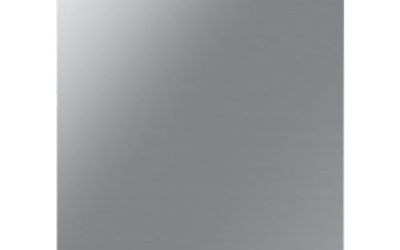
 Samsung DW80B6060UG/AA | Check price on Amazon | |
 Sharp SDW6757ES | Check price on Amazon | |
 LG LDFN4542S | Check price on Amazon |
Key takeaways
- Best automatic dishwashers compared: five sensor-driven models with auto cycles that read soil levels and adjust time, water and heat for each load size.
An automatic dishwasher earns the name when the machine, not the person loading it, decides how hard a load needs to be washed. Instead of running one fixed program, a sensor-driven model reads how dirty the wash water is, then adjusts cycle length, water use and temperature as the load runs. That matters most in households where loads are unpredictable: a weekday mix of cereal bowls and lunch containers one night, a baked-on casserole and greasy pans the next. The five built-in models below all pair a dedicated auto cycle with a soil sensor, and each one automates a slightly different part of the job, from wash intensity to drying. Picks are based on manufacturer specifications and Amazon listing details for each exact model.
Disclosure: As an Amazon Associate, we earn from qualifying purchases. Product details and availability can change; check the Amazon listing before you buy.
Quick picks at a glance
| Product | ASIN | Best for |
|---|---|---|
| LG LDTH7972S | B0BX7FHNYM | The fullest auto package: sensor wash, steam and heated dry |
| Samsung DW80B6060UG/AA | B0B9GHTQ1F | Automatic drying with a door that opens itself at cycle end |
| Bosch SHE53B75UC | B0BT5SJB1F | Sensor-guided washing plus a built-in water softener |
| Sharp SDW6757ES | B08GFP9ZS7 | Responsive sensor cycles with heated dry and a wash zone for pots |
| LG LDFN4542S | B0BDMR9745 | Straightforward front controls with a turbidity sensor and auto cycle |
What matters most for automatic washing
The soil sensor itself. Most auto cycles rely on a turbidity sensor that shines light through the wash water and measures how cloudy it is. Cloudier water means more soil, so the machine extends the wash, raises the temperature or adds a rinse. A model that names its sensor system in the spec sheet, such as LG’s SenseClean or Bosch’s PrecisionWash, is giving you the core automatic feature; a plain “auto” label with no sensor behind it is just a preset.
How much the cycle can adjust. A good auto program changes more than the clock. Look for adjustment across wash time, water volume and temperature, and for mid-cycle changes rather than a single decision made in the first minutes. Loads with mixed soil benefit most, because the sensor keeps sampling as food releases from pans later in the wash.
Automatic drying behaviour. Automation does not have to stop at washing. Samsung’s AutoRelease door opens itself when the cycle ends so steam escapes and air circulates, while LG’s Dynamic Heat Dry and Sharp’s heated dry option take an active approach with heat. Condensation-only drying is the least automatic option and the slowest on plastics.
Spray coverage that backs the sensor up. Sensing soil is only useful if the wash system can act on it. Multi-arm systems such as LG’s QuadWash Pro and Samsung’s StormWash+ rotating jet reach more angles, so when the sensor calls for a longer or hotter wash, the extra effort lands on the dishes rather than the tub walls.
Cycle menu around the auto program. Even committed auto-cycle users need a fast option for glasses before guests arrive and a heavy option for roasting pans. Check that the auto cycle sits alongside useful fixed programs, and that options like sanitize, half load or delay start can be added without cancelling the sensor’s work.
Noise and energy figures. Auto cycles vary in length, so the published sound level in dBA and the yearly energy figure in kilowatt hours are the fairest comparison points. A model that runs at 42 to 46 dBA can wash overnight without disturbing sleep.
LG LDTH7972S
Why it fits the automatic brief. This is the most complete sensor package in the group. The SenseClean system reads soil levels through a turbidity sensor and the Auto cycle is the first of ten programs, backed by QuadWash Pro arms that soak and spray from several angles at once. TrueSteam adds a steam phase that loosens dried food before the main wash, and Dynamic Heat Dry finishes with heated air rather than leaving dishes to drip. The 1-Hour Wash and Dry cycle covers the days when the sensor’s careful pace is not what you need.
Trade-offs. Top controls hide the panel, so checking the remaining time means reading the front display or the ThinQ app. Steam and heat-dry options lengthen some programs, and first-time owners should expect a short learning curve.
Best for / Skip if. Best for households that want one machine to handle everything from stemware to scorched pans with minimal input. Skip if you prefer visible front controls and a simpler cycle menu.
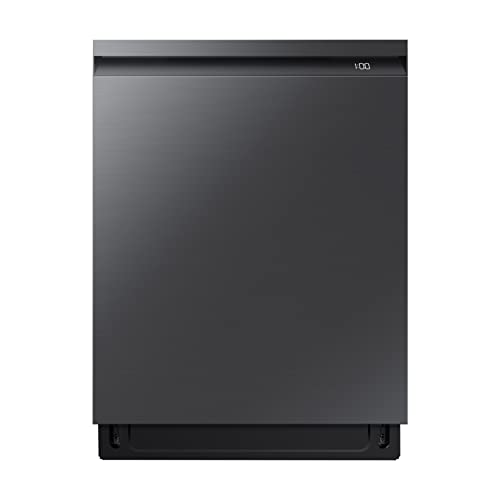
Samsung DW80B6060UG/AA
Why it fits the automatic brief. The Auto cycle leads a seven-program menu and the StormWash+ jet gives the sensor’s decisions real scrubbing power for the dirtiest zone of the load. What sets this model apart is how much happens after the wash: the AutoRelease door opens on its own at the end of the cycle, letting steam out and fresh air in so plastics and glassware dry without a towel. Wi-Fi control through SmartThings adds remote start, cycle monitoring and a Smart Reorder function that tracks pod use. A digital leak sensor watches for water where it should not be, which suits a machine often left to run unattended.
Trade-offs. The fingerprint-resistant black stainless finish will not match every kitchen, and the Pre Blast option adds a step for anyone who wants to blast a pan before the main program. App features need a home Wi-Fi connection to do anything.
Best for / Skip if. Best for owners who run the dishwasher overnight or while out and want dry dishes waiting, with no door to prop open. Skip if you have no use for app control and prefer a plain front panel.
Bosch SHE53B75UC
| Spec | Detail |
|---|---|
| Type | 24-inch built-in, 300 Series, full console controls |
| Place settings | 15 |
| Sound level | 46 dBA |
| Wash cycles | 6 (Heavy, Auto, Normal, Speed60, Favorite, Rinse) |
| Sensor system | PrecisionWash intelligent sensors |
| Drying | PureDry |
| Racks | Standard 3rd rack, RackMatic adjustable upper rack |
| Extra systems | Built-in water softener, AquaStop Plus leak protection |
| Energy use | 269 kWh per year, ENERGY STAR qualified |
| Dimensions | 23.56 x 34.06 x 22.56 in (W x H x D) |
| Weight | 90 lbs |
| Connectivity | Home Connect Wi-Fi |
Why it fits the automatic brief. Bosch builds its automatic case around PrecisionWash: intelligent sensors scan the load and precision spray arms direct water where the sensors say it is needed, with the Auto program among the six cycles. The built-in water softener is a genuine automatic advantage in hard-water postcodes, because it treats the water every cycle without the user judging doses, which helps the sensor’s work show up as clear glassware rather than film. AquaStop Plus guards against leaks around the clock, and Home Connect sends a notification when the cycle finishes.
Trade-offs. At 46 dBA it sits mid-pack for noise in this group. PureDry is a condensation-based system, so plastics may hold droplets longer than with the heated or door-opening designs above. The Favorite button needs setting up before it saves any time.
Best for / Skip if. Best for hard-water homes that want sensor washing and softening handled together. Skip if heated drying for plastics is a priority.
Sharp SDW6757ES
Why it fits the automatic brief. Sharp describes its system plainly: soil sensors read the load and the responsive wash cycles adjust to match, so a lightly soiled lunch load and a Sunday roast load get different treatment from the same Auto setting. The Power Wash zone adds a third sprayer aimed at the spot where you park the worst cookware, which gives the sensor’s longer, hotter decisions somewhere effective to land. Heated dry is a traditional, dependable finish, and the LED interior light sounds minor until you are unloading in a dim kitchen at midnight.
Trade-offs. Fourteen place settings is one fewer than the rest of this group, and at 93.3 lbs it is the heaviest unit here. The control panel is fully integrated, so there is no front display of cycle progress.
Best for / Skip if. Best for cooks who regularly mix delicate glassware with one or two heavily soiled pans and want the machine to sort out the difference. Skip if maximum capacity is the first priority.
LG LDFN4542S
Why it fits the automatic brief. This front-control LG carries the same SenseClean turbidity sensing as its flagship sibling: the Auto cycle reads how much soil is in the water and shapes the wash around it, while QuadWash arms attack from multiple angles and Vario Wash varies spray intensity between racks. The 3-stage filtration system keeps the sensor’s water sample honest by trapping food particles instead of recirculating them. Front controls with an LED display show the program and remaining time at a glance, and the PrintProof finish resists fingerprints.
Trade-offs. At 48 dBA it is the loudest pick in this guide, noticeable in an open-plan space during quiet evenings. The 3rd rack is fixed rather than height-adjustable, and drying relies on Dynamic Dry without the steam or heated-air stages of the model above it in this list.
Best for / Skip if. Best for buyers who want proven sensor automation with simple, visible controls and easy loading. Skip if the dishwasher sits close to a living area and low noise matters most.
How to choose between these picks
Start with your water. If your area has hard water and glasses come out filmed, the Bosch SHE53B75UC is the natural first look, because its softener works on every cycle without any input from you. Next, think about drying habits. If you unload in the morning and hate towel work, Samsung’s self-opening door or the heated dry on the Sharp and the LG flagship will suit you better than a condensation system.
Then weigh noise against controls. The LG LDTH7972S at 42 dBA is the pick for open-plan homes and overnight runs, while the front-control LG LDFN4542S trades a few decibels for a panel you can read across the room. Capacity is close at 14 to 15 place settings, so let rack layout decide: the adjustable 3rd racks on the LG flagship and the Sharp take tall utensils and small bowls that a fixed rack cannot.
Finally, be honest about how you load. If nearly every load is a mixed jumble, any of these auto cycles will serve you well and the choice comes down to drying and noise. If you cook one very dirty pan at a time, the focused wash zones on the Samsung and Sharp models give the sensor’s decisions extra bite.
Setup, workflow and care for sensor models
An auto cycle can only judge the load it can see, so loading habits matter. Scrape plates rather than rinsing them: a turbidity sensor that finds nearly clean water in the first minutes may shorten the wash before dried food on a pan has softened.
Keep the sensor’s environment clean. Rinse aid helps water sheet off dishes and supports consistent sensing, so top it up when the dispenser indicator shows low. Clean the filter assembly on the schedule in the manual; a clogged filter recirculates fine particles that cloud the water and can push the machine toward longer cycles than the load needs. Models with a Machine Clean program, such as both LG picks, make this a one-button routine.
For water and energy, let the auto program finish rather than interrupting it mid-cycle to add a forgotten mug; opening the door pauses the sensor’s picture of the load. Use delay start to run the wash when household water demand is low, and if your model offers a half load option, reserve it for genuinely small loads rather than running it by habit.
FAQ
How does an automatic dishwasher know how dirty the load is?
Most models use a turbidity sensor that measures how cloudy the wash water is. Cloudy water signals heavy soil, so the control board extends the wash, adjusts temperature or adds rinses; clear water lets it shorten the program and use less water.
Is an auto cycle better than just choosing Heavy for everything?
For mixed loads, usually yes. Heavy runs at full length and temperature regardless of need, which wastes water and energy on light loads. The auto cycle reserves that effort for loads the sensor judges dirty.
Do sensor models still need rinse aid and filter cleaning?
Yes. Rinse aid supports drying and helps water drain cleanly from surfaces, and a clean filter keeps the sensor reading the load rather than leftover particles from previous washes. Both LG models list a 3-stage or multi-stage filtration path that still needs periodic rinsing under a tap.
Will an auto cycle handle dried-on food?
It handles it better than a fixed normal cycle, because the sensor detects soil as it releases and extends the wash. Steam on the LG LDTH7972S and the Pre Blast option on the Samsung give dried food an extra loosening phase before the main wash begins.
Why do auto cycle times change from load to load?
That variation is the feature working. The machine starts with an estimate, then revises the remaining time as sensor readings come in, so a load that sheds soil slowly will run longer than an identical-looking load that rinses clean quickly.
Conclusion
For the most complete automatic package, the LG LDTH7972S pairs turbidity sensing with steam, heated drying and the quietest operation here. If dry dishes with zero effort are the goal, the Samsung DW80B6060UG/AA and its self-opening door are the standout. Hard-water households should look first at the Bosch SHE53B75UC for its softener and sensor pairing, keen cooks will appreciate the Sharp SDW6757ES and its responsive cycles with a dedicated wash zone, and anyone who wants sensor automation behind simple front controls will be well served by the LG LDFN4542S.