Key takeaways
- The best performing dishwashers compared by wash system design, soil sensing, sanitize options and drying method, with three verified Amazon US picks.
A dishwasher earns the label “high performing” in the spec sheet long before it earns it in your kitchen. The difference between a machine that leaves baked-on casserole dishes spotless and one that sends you back to the sink with a sponge comes down to a handful of engineering choices: how many spray arms it runs and where they aim, whether it can sense how dirty the water is and adjust mid-cycle, how hot its sanitize option gets the final rinse, and how it dries plastics that refuse to shed water. This guide is for buyers who cook seriously, load heavily soiled pots and pans without pre-rinsing, and want the strongest wash hardware currently sold on Amazon US rather than the quietest badge or the longest feature list.

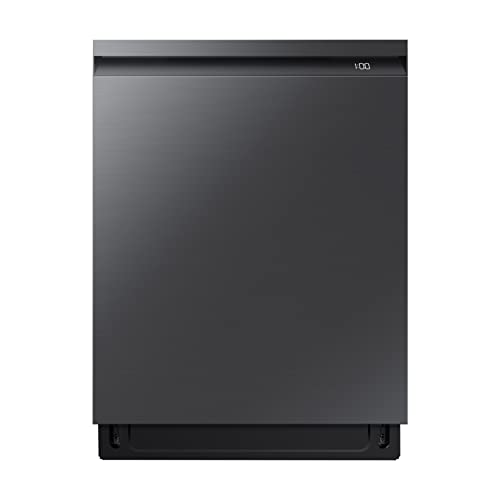
The picks below are built around those performance specs. Each model was chosen because its manufacturer publishes a wash system with a named, verifiable mechanism — multi-arm spray coverage, a dedicated high-pressure zone for the dirtiest items, sensor-driven cycle adjustment, or a drying system that goes beyond opening the door and hoping. Specs are taken from the Amazon listing and the manufacturer’s own documentation for the exact model, and every pick is a standard 24-inch built-in dishwasher, so the comparison stays apples to apples.
Disclosure: As an Amazon Associate, we earn from qualifying purchases. Product details and availability can change; check the Amazon listing before you buy.
Quick picks at a glance
| Product | ASIN | Best for |
|---|---|---|
| LG LDTH7972S | B0BX7FHNYM | Fastest full wash and dry, steam loosening |
| Samsung DW80B6060UG/AA | B0B9GHTQ1F | Blasting baked-on soil in a dedicated wash zone |
| Bosch SHE53B75UC | B0BT5SJB1F | Sensor-led washing with a sanitize option and softener |
What matters most for wash performance
Spray coverage and arm design. One rotating arm under the lower rack is the baseline. Performance models add a top arm, a third arm above the upper rack, or a wash zone that concentrates pressure on the lower rack where pots sit. More arms and targeted jets mean fewer shadowed spots where water never reaches.
Soil sensing. A turbidity sensor measures how dirty the drain water is and tells the control to extend, shorten, or intensify the cycle. On an Auto cycle this is the difference between a fixed timer guessing at your load and the machine reacting to what is actually in it. Every pick here has sensor-driven washing in some form.
Sanitize and high-temperature options. A sanitize option raises the final rinse temperature to reduce bacteria on cutting boards, baby items, and canning jars. Bosch publishes NSF certification for its sanitize option; LG and Samsung both offer high-temperature and steam-assisted options on these models. If hygiene cycles matter to you, check that the option exists on the exact model, not just the brand line.
Drying method. Condensation drying alone struggles with plastics. Look for a fan, a heated dry system, steam, or a door that opens automatically at the end of the cycle to vent moisture. Drying is half of performance: a clean dish that comes out dripping wet is not a finished job.
Cycle menu depth. Heavy, Auto, and a fast cycle are the core three. Steam cycles help loosen dried-on food before the main wash, and a half-load or zone option keeps a small, very dirty load from wasting a full tub of water.
Noise figure. Performance and quiet are not enemies — all three picks run at 46 dBA or lower — but treat the decibel figure as a comfort spec, not a cleaning spec. A louder machine is not a stronger one.
LG LDTH7972S
| Spec | Detail |
|---|---|
| Wash system | QuadWash Pro, 3 spray arms (top, upper, lower) |
| Soil sensing | Soil (turbidity) sensor, Auto cycle |
| Steam | TrueSteam |
| Drying system | Dynamic Heat Dry |
| Fast cycle | 1-Hour Wash and Dry |
| Wash cycles | 10 (Auto, Heavy, Delicate, Refresh, Normal, 1-Hour, Download, Machine Clean, Rinse, Express) |
| Options | 8 (Flex Zone, Steam, High Temp, Dry Boost, Delay Start, Control Lock, Night Dry, Remote Start) |
| Capacity | 15 place settings |
| Noise figure | 42 dBA |
| Energy use | 238 kWh per year |
| Water factor | 2.9 |
| Dimensions | 23.75 x 33.63 x 24.63 inches |
| Weight | 97 pounds |
| Tub | NeveRust stainless steel |
| Racks | Height-adjustable 3rd rack, EasyRack Plus, fold-down tines |
Why it fits performance-focused buyers. The LDTH7972S attacks the two hardest parts of a wash cycle at once. QuadWash Pro uses three spray arms with multi-motion coverage so water reaches the corners of the lower rack where casseroles and sheet pans sit, and the turbidity sensor lets the Auto cycle judge soil level instead of running a fixed program. TrueSteam is the differentiator for dried-on food: steam generated during the cycle loosens residue before and during washing, which is exactly the scenario where lesser machines leave a crust behind. Dynamic Heat Dry then finishes with heated drying rather than passive condensation, and the headline 1-Hour Wash and Dry cycle pairs the wash and dry systems at full strength for a complete, table-ready load in a single short program.
Trade-offs. The top-control panel is hidden when the door is closed, so checking cycle progress means opening the app or the door. The steam and heat-dry systems make this the most mechanically complex machine in the guide, with more going on than a basic wash really needs. Its 42 dBA figure is the quietest here, which is a bonus, but you are paying for wash hardware, not silence.
Best for / Skip if. Best for households that run heavily soiled loads daily and want the fastest complete wash-and-dry in this guide. Skip if you prefer front controls you can read at a glance, or if your loads are mostly lightly soiled glasses and plates that would never use the steam system.
Samsung DW80B6060UG/AA
| Spec | Detail |
|---|---|
| Wash system | StormWash+ dual wash arms with high-pressure spray jet |
| Pre-wash option | Pre Blast cycle starts pre-rinsing at the push of a button |
| Soil handling | Auto cycle among 7 option cycles |
| Drying system | AutoRelease Door dry |
| Capacity | 15 place settings, 3 racks |
| Noise figure | 44 dBA |
| Energy use | 239 kWh per year |
| Water use | 3.2 gallons per cycle |
| Dimensions | 23.8 x 33.6 x 25 inches |
| Weight | 89.3 pounds |
| Finish | Fingerprint resistant black stainless steel |
| Connectivity | Wi-Fi, SmartThings app, Smart Reorder |
| Warranty | One year parts and labor |
Why it fits performance-focused buyers. StormWash+ is built around a simple, effective idea: a dual-arm system plus a dedicated spray jet that blasts water at high pressure to cover all angles, aimed at the loads other machines fail — the roasting pan, the lasagna dish, the pot with a scorched bottom. The Pre Blast option starts a targeted pre-rinse before the main cycle, which replaces the sink pre-rinsing this class of buyer is trying to eliminate. Drying is handled by the AutoRelease Door, which opens automatically at the end of the cycle to circulate air and pull moisture off dishes, a method that works particularly well on the plastics that condensation drying leaves wet. The third rack adds up to 30 percent more loading space according to Samsung’s listing copy, which matters when a performance load means every pan, lid, and utensil goes in at once.
Trade-offs. Door-open drying depends on room air, so a very humid kitchen blunts the effect compared with a heated system. The performance story is concentrated in the lower-rack wash zone; delicate glassware up top gets a gentler wash, which is correct but means the headline power applies to part of the tub. Black stainless is the finish on this listing, so matching an existing stainless suite needs a check.
Best for / Skip if. Best for cooks whose loads centre on a few very dirty pots and pans that need concentrated blasting rather than all-over gentleness. Skip if you want a heated dry cycle for a fully sealed, steam-free kitchen, or if you need a plain stainless finish to match existing appliances — confirm the finish on the listing first.
Bosch SHE53B75UC
| Spec | Detail |
|---|---|
| Wash system | PrecisionWash with intelligent sensors, five-level wash |
| Drying system | PureDry condensation drying, Extra Dry option |
| Sanitize | Sanitize option, NSF-certified |
| Wash cycles | 6 (Heavy, Auto, Normal, Speed60, Favorite, Rinse) |
| Options | 6 (Sanitize, Remote Start, Extra Dry, Delay Start, Delicate, MachineCare) |
| Capacity | 15 place settings |
| Noise figure | 46 dBA |
| Water use | 3.5 gallons per cycle |
| Energy use | 269 kWh per year |
| Weight | 90 pounds |
| Power | 1440 watts, 120 volts |
| Tub | Stainless steel |
| Racks | Standard 3rd rack, RackMatic adjustable upper rack |
| Water softener | Built in |
| Leak protection | 24/7 AquaStop Plus |
Why it fits performance-focused buyers. PrecisionWash is Bosch’s sensor-led system: intelligent sensors continually scan the progress of the load and precision spray arms target every item, with a five-level wash path so both racks get direct spray. Where the LG senses soil to set the cycle, the Bosch keeps checking during the cycle, which suits mixed loads where a lightly soiled top rack and a filthy bottom rack need different treatment in the same run. The sanitize option carries NSF certification, the strongest documented hygiene claim in this guide. The built-in water softener is a genuine performance feature for hard-water homes, because mineral film is a cleaning failure that no spray arm can fix. PureDry is a closed condensation system with no exposed heating element, so plastics can sit on any rack without melt risk, and the Extra Dry option extends drying when a load is plastic-heavy.
Trade-offs. At 46 dBA it is the loudest pick here, though still quiet in absolute terms. PureDry cannot match a heated system or steam for bone-dry plastics on its own; the Extra Dry option closes much of that gap but adds time. There is no steam cycle, so dried-on food relies on the Heavy cycle and spray targeting rather than steam loosening.
Best for / Skip if. Best for hard-water homes and mixed loads where sensor adjustment and a certified sanitize option matter more than raw speed. Skip if a one-hour full wash and dry is your priority, or if you want steam for baked-on residue.
How to choose between these picks
Start with your failure mode — the load your current machine handles worst. If loads come out with dried-on food still attached and you want the whole job, wash and dry, done fast, the LG LDTH7972S is the pick: steam loosening, three-arm coverage, heated drying, and the one-hour complete cycle. If your failure mode is narrower — one or two pans per load that nothing seems to shift — the Samsung’s StormWash+ jet and Pre Blast option aim all of their extra hardware at exactly that problem, and the auto-opening door handles drying without a heating element. If your loads are mixed, your water is hard, or sanitize performance for boards and baby items is the deciding factor, the Bosch SHE53B75UC earns its place with in-cycle sensing, a certified sanitize option, and the only built-in softener in the guide.
Then check the fit and the utilities. All three are 24-inch built-ins in the same size class, but depths run from about 24.6 to 25 inches and weights from about 89 to 97 pounds, so confirm the cutout and the delivery path. Finally, match the drying system to your kitchen: heated dry (LG) is self-contained, door-vent drying (Samsung) needs reasonable room air, and closed condensation (Bosch) is the gentlest on plastics placed anywhere in the tub.
Setup, loading and care for maximum wash performance
Performance hardware only delivers if the load lets water move. Leave a gap between plates so spray reaches both faces, angle bowls downward, and put the dirtiest items in the zone each machine is built around: the lower rack centre on the Samsung’s jet, anywhere in the tub on the LG’s three-arm system, and spread across both racks on the Bosch so its sensors read a representative mix. Never nest bowls or let a large pan roof over the items below it — a blocked spray path is the most common cause of a “weak” dishwasher that is actually fine.
Keep the support systems maintained. Rinse the filter regularly, because a clogged filter recirculates soil onto clean dishes. Top up rinse aid; it is a drying aid and a spotting preventative, not an optional extra. On the Bosch, keep the softener salt topped up in hard-water areas and set the softener level to your water hardness. Run the Machine Clean or MachineCare cycle each model provides on a regular cadence to clear grease from spray arms and sumps, and wipe the door gasket where residue collects. Use the detergent form the manual specifies and dose for soil level — overdosing leaves film that looks exactly like poor washing.
FAQ
Does a soil sensor actually improve cleaning, or is it a marketing feature?
It changes how the machine runs. A turbidity sensor measures particles in the water during the cycle and the control adjusts time, temperature, and intensity in response. On the Auto cycles of the LG and Bosch picks here, that means a genuinely dirty load gets a longer, hotter wash than a light one, instead of both getting the same fixed program.
Is steam worth it for dried-on food?
Steam’s job is loosening, not scrubbing. On the LG LDTH7972S, TrueSteam softens dried residue so the spray arms can remove it, which is the scenario most likely to defeat a machine without it. If you rarely leave dishes sitting before a wash, the benefit shrinks and a strong wash zone like Samsung’s StormWash+ matters more.
Which drying method is strongest on plastics?
Heated drying, as on the LG’s Dynamic Heat Dry, drives moisture off plastics most directly. Door-open drying on the Samsung is close behind and uses no extra heating energy. Closed condensation drying on the Bosch is the gentlest and safest for plastics on any rack, and its Extra Dry option narrows the gap when a load is mostly plastic containers.
Do I still need to pre-rinse with a high-performance dishwasher?
Scrape, do not rinse. All three wash systems here are designed around soil sensing or targeted jets that expect food residue to work against; a fully pre-rinsed load can even cause a sensor-led machine to shorten the cycle. The Samsung’s Pre Blast option exists for the exception — loads with scorched or cemented residue.
Does a higher decibel figure mean stronger washing?
No. The decibel figure measures sound, not spray pressure or temperature. The quietest machine in this guide, the LG at 42 dBA, also carries the longest performance feature list, while the Bosch at 46 dBA is a mid-pack noise figure with a sensor system as its strength. Judge performance by arms, sensing, temperature options, and drying method.
Conclusion
For most performance-focused buyers, the LG LDTH7972S is the recommendation: three spray arms, steam loosening, sensor-driven cycles, heated drying, and a complete wash and dry in one hour. Choose the Samsung DW80B6060UG/AA if your loads are defined by a few brutally dirty pans and you want a high-pressure zone and pre-rinse blast aimed at them, with door-open drying to finish. Choose the Bosch SHE53B75UC if you want in-cycle sensor adjustment, a certified sanitize option, and softener support for hard water, and you are willing to trade the fast cycle and steam to get them. Whichever you pick, load it so the spray can reach every surface — the best wash system in this guide still cannot clean a dish the water never touches.