Our Short List of 3
All 3 Picks at a Glance
| Product | Specs | Action |
|---|---|---|
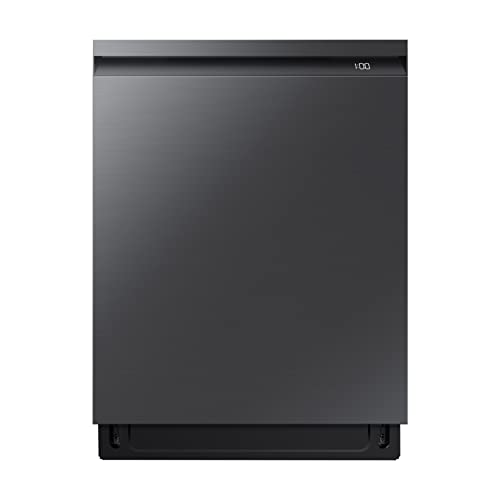 Samsung DW80B6060UG/AA — the newest ideas in one machine | Check price on Amazon | |
 LG LDTH7972S — steam and silence from LG’s current flagship line | Check price on Amazon | |
 Sharp SDW6726MS — the genuinely new name in built-ins | Check price on Amazon |
Key takeaways
- Best new dishwashers: the current-generation models worth buying now, with the newest wash, drying, rack and smart features checked on Amazon US.
“New” is the most abused word in dishwasher shopping. Retailers apply it to anything that arrived in the warehouse this month, including models that have been in production for years, while genuinely new designs — a revised wash system, a different drying method, a reworked rack layout — can sit unnoticed next to them. This guide cuts through that by focusing on the current-generation model lines: the newest dishwasher platforms from each major maker that are still sold on Amazon US today, and on what actually changed in this generation compared with the models they replaced.
That framing matters because the recent changes are real but uneven. The newest Samsung line added a dedicated high-pressure wash zone and a door that opens itself to finish drying. LG’s current flagship generation rebuilt its wash system around four spray arms and added true steam. Bosch’s current 300 Series generation brought a built-in water softener and app connectivity down from its premium lines. And Sharp, a newer entrant to the US built-in market, arrived with a three-rack layout and a targeted power-wash sprayer as standard. If your old machine has died and you want the current state of the art rather than a leftover design, these are the models to compare.
Every pick below was chosen from manufacturer specifications and Amazon US listing details for the exact model — no borrowed impressions, no invented results. Where a spec differs between a maker’s documents and a listing, the article says so rather than smoothing it over.
Disclosure: As an Amazon Associate, we earn from qualifying purchases. Product details and availability can change; check the Amazon listing before you buy.
Quick picks at a glance
| Product | ASIN | Best for |
|---|---|---|
| Samsung DW80B6060UG/AA | B0B9GHTQ1F | Newest wash and drying ideas in one machine |
| LG LDTH7972S | B0BX7FHNYM | Steam cleaning and the quietest current flagship |
| Sharp SDW6726MS | B0FG9QGZPX | The genuinely new name: third rack and power wash |
| Bosch 300 Series SHE53B75UC | B0BT5SJB1F | New-generation softener and connected features |
What matters most when buying a new-generation dishwasher
What actually changed in this generation. A new model earns the label when its platform changed: a new wash system, a new drying method, a new rack architecture or a new control generation. Cosmetic refreshes — a new handle shape or finish — do not change how the machine washes. The picks below are platform changes, and each section names the specific change.
Drying is where the newest models differ most. Older dishwashers relied on a heating element or simple condensation. The current generation adds active ideas: doors that open automatically at the end of the cycle to release steam, fan assistance, and heated dry systems paired with rinse-aid sensing. If plastics coming out wet is your main complaint about your old machine, weight this factor first.
Third racks have become standard, but designs differ. Early third racks were shallow trays that fit only flatware. The newest versions are deeper, adjustable, or shaped for serving utensils and small bowls. Check the rack’s stated purpose in the listing rather than counting racks alone.
Soil sensing and targeted wash zones. Current models increasingly combine an overall soil sensor with a zone of concentrated spray for the dirtiest corner of the load. That pairing — sense the whole load, blast the worst of it — is the signature of this generation’s wash systems.
Connectivity with a purpose. Wi-Fi appears across the newest lines, but the useful implementations do specific things: remote start for off-peak running, cycle completion alerts, and detergent tracking with automatic reordering. Treat connectivity as a tiebreaker, not a headline.
Efficiency figures keep improving. Compare the annual kilowatt-hour figure and gallons per cycle on the listing. The current generation clusters tightly, so small differences matter less than wash and drying design — but a model far behind the pack on energy is usually an older platform in disguise.
Samsung DW80B6060UG/AA — the newest ideas in one machine
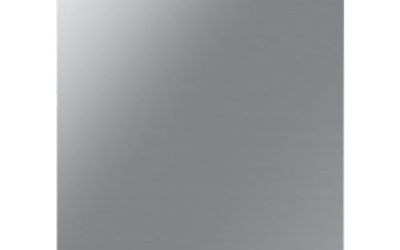
Samsung’s DW80B6060 series is the clearest example of a new-generation platform. Its StormWash+ system pairs dual wash arms with a rotating spray jet that blasts water at high pressure to cover angles a fixed arm misses, and a Pre Blast option starts a pre-rinse at the beginning of any cycle so dried-on food gets attention before the main wash. The drying side is equally current: the AutoRelease Door opens automatically at the end of the cycle to circulate air, which is the single most effective change for plastic containers in this generation of machines.
Why it fits the “new” brief. Almost every headline feature of the current dishwasher generation is here: targeted high-pressure washing, self-opening dry, app control with detergent tracking, and a third rack that adds genuine loading space. The listing also notes an ENERGY STAR Most Efficient designation, the tier above standard certification.
Trade-offs. The maker gives the capacity in gallons in some listing fields rather than a place-setting count, so compare rack layout photos rather than a single number. The black stainless finish will not match a conventional stainless suite exactly. App features require the SmartThings ecosystem to be useful.
Best for / Skip if. Best for buyers replacing an older machine who want the full current feature set. Skip if you prefer physical buttons — the touch controls and app lean are central to this design.
LG LDTH7972S — steam and silence from LG’s current flagship line
LG’s LDTH7972S sits in the maker’s current top-control flagship generation. Its QuadWash Pro system uses four spray arms with multi-motion movement instead of the traditional two-arm layout, and TrueSteam adds a steam phase intended to loosen dried food and reduce water spots on glass. At a 42 dBA noise figure it is also the quietest pick in this guide, and its one-hour wash-and-dry cycle addresses the other common complaint about older machines: cycle times that stretch past two hours.
Why it fits the “new” brief. The four-arm wash system and integrated steam are platform-level changes, not trim updates, and they define LG’s current generation. The fast wash-and-dry cycle is a direct response to how households actually run machines between meals.
Trade-offs. Steam cycles run longer and use more energy than the standard cycle, so the benefit is situational. The listing’s cycle counts vary between its own fields and the maker’s documentation; the figures above follow the maker’s spec sheet for this model. Top controls hide the display when the door is closed, which some households dislike.
Best for / Skip if. Best for open-plan homes where noise matters and for households with heavy glassware use. Skip if you want a front display you can read at a glance mid-cycle.
Sharp SDW6726MS — the genuinely new name in built-ins
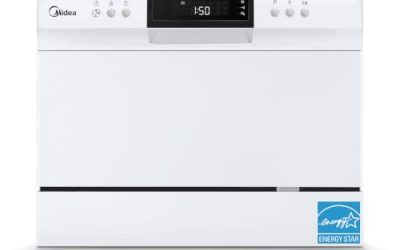
Sharp is the newest serious entrant in US built-in dishwashers, and the SDW6726MS shows what a maker designing fresh — rather than updating a legacy platform — chooses to include: a stainless tub, an adjustable third rack, soil sensors, and a Power Wash sprayer aimed at the corner of the lower rack where a baked-on casserole dish sits. Its Library Quiet design runs at a 47 dB figure, and wash zones let a half load run in one section of the tub.
Why it fits the “new” brief. This is a current model from a maker building its US reputation now, with the third rack and targeted sprayer that define the generation included as standard. Its front touch controls and pocket handle give it the current integrated look as well.
Trade-offs. At 12 place settings it is the smallest full-size pick here, so large families will run it more often. The listing itself is inconsistent on the noise figure — 47 dB in its feature fields, 49 dB in one title variant — so treat it as sitting in that range rather than as an exact figure. As a newer line, its long-term track record is still being written.
Best for / Skip if. Best for smaller households that want current-generation features in a standard cutout. Skip if you routinely wash for six or more people.
Bosch 300 Series SHE53B75UC — the new 300 Series with a softener
Bosch’s current 300 Series generation moved two features down from the premium lines: a built-in water softener, long standard on European machines but rare in US models at this level, and Home Connect app connectivity. The SHE53B75UC pairs those with PrecisionWash soil sensing and the maker’s condensation-based PureDry approach, in a front-control layout with a standard third rack.
| Spec | Detail |
|---|---|
| Type | 24-inch built-in, front control |
| Capacity | 15 place settings |
| Noise figure | 46 dBA |
| Water softener | Built in, with salt dispenser |
| Wash system | PrecisionWash with soil sensors |
| Racks | 3 racks |
| Connectivity | Home Connect Wi-Fi |
| Energy use | 269 kWh per year per maker documentation |
Why it fits the “new” brief. The softener is the story: in hard-water homes it changes results more than any wash-arm redesign, preventing the mineral film that makes glasses from older machines look permanently cloudy. Bringing it into the 300 Series is this generation’s most practical Bosch change.
Trade-offs. The softener needs dishwasher salt refills, an extra consumable the other picks do not require. Its energy figure is the highest of the four picks. Bosch’s quietest and fastest models sit in higher series that are sold mainly through dealers rather than Amazon US.
Best for / Skip if. Best for hard-water households and buyers who want front controls. Skip if your water is already soft and you would rather have the Samsung or LG drying systems.
How to choose between these picks
Start with your water. If it is hard — visible scale on kettles, film on glasses — the Bosch’s built-in softener solves a problem the others manage only with rinse aid, and it should lead your list. If your water is fine, move to drying: households heavy on plastic storage containers benefit most from the Samsung’s self-opening door, while the LG’s heated approach plus steam suits mixed loads with lots of glass.
Then check capacity honestly. The Sharp’s 12 place settings are enough for one to four people and its third rack is genuinely useful, but a family of six will fill the 15-place-setting machines more comfortably and run fewer cycles per week. Noise is the last filter: at 42 dBA the LG is the only pick here that effectively disappears in an open-plan space, while the others are quiet by any normal standard but audible in the same room.
Finally, sanity-check the “new” claim on anything else you consider: look for a platform feature — a wash system name, a drying method, a rack design — that the maker’s previous generation did not have. If the only changes are finish and handle shape, it is an old model with new marketing.
Installation and first-week setup for a new dishwasher
Before the old machine comes out, measure the opening’s width, height and depth and compare them with the new model’s stated dimensions, including the door’s swing and the handle depth. Confirm the electrical supply matches the listing’s voltage and that the existing water line and drain reach the new inlet positions, which vary between brands.
On installation day, level the machine carefully: an unlevel dishwasher runs louder and can leak at the door corners, and no new feature compensates for a poor install. Run the first cycle empty on the hottest programme to clear manufacturing residue, then set the water hardness level if your model has a softener, fill the rinse-aid dispenser, and register the product for warranty and app features while the paperwork is at hand.
During the first week, experiment deliberately. Run one load with the targeted wash zone loaded with your worst casserole dish, one load of plastics on the drying-focused setting, and one half load if your model supports zone washing. New machines reward learning their rack geometry — the third rack especially changes how cutlery and utensils should be distributed.
Care notes for current-generation models
Keep the filter clear: every pick here uses a manual filter that needs rinsing roughly monthly, and neglected filters are the most common cause of declining performance in new machines. Clean spray-arm jets if wash results fade, and wipe the door seal weekly.
For softener models, keep the salt reservoir topped up with proper dishwasher salt and check the hardness setting if your water supply changes. For app-connected models, allow firmware updates — makers do refine cycle behaviour over time — and descale periodically in hard-water areas following the maker’s instructions.
FAQ
What makes a dishwasher “new” rather than just newly listed?
A new platform: a redesigned wash system, a different drying method, a new rack architecture or a new control generation. The picks in this guide each have at least one platform-level change over the generation they replaced; a fresh listing date or a new finish alone does not qualify.
Are the newest models less reliable than proven older ones?
There is an honest trade-off. Older platforms have longer track records, while new platforms carry current wash and drying designs. All four picks come from makers with established service networks, and the Sharp — the newest line here — is flagged in its section as the one whose record is still developing.
Is a self-opening door actually better for drying?
For plastics, yes, based on how the system works: opening the door releases steam and lets air circulate at the point where condensation drying stalls. The Samsung section describes the mechanism; it is the current generation’s most practical drying change.
Should I pay attention to the energy figure when choosing among new models?
Compare it, but do not overweight it. The four picks cluster between 238 and 269 kWh per year, so wash design, drying method and capacity will affect your daily experience far more than the small energy gap.
Do new dishwashers need special installation?
No more than any replacement: a standard 24-inch opening, a matching electrical supply and the usual water and drain connections. The main new-generation checks are setting the softener hardness where fitted and connecting the app before the machine is pushed fully into place, since some models house their code label inside the door edge.
Conclusion
For the fullest expression of what changed in this generation — targeted washing plus a self-opening dry — choose the Samsung DW80B6060UG/AA. For quiet running and steam, the LG LDTH7972S is the flagship pick. For a fresh design with the generation’s key features standard, the Sharp SDW6726MS is the interesting new name, sized for smaller households. And for hard-water homes, the Bosch SHE53B75UC’s built-in softener is the most practical new feature of all. Whichever you choose, verify the current listing details and your opening measurements before ordering.