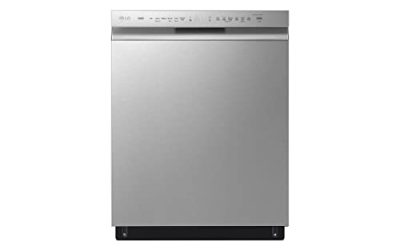
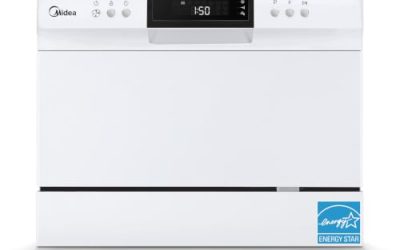
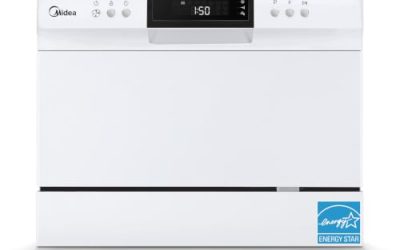
Our Short List of 3
All 3 Picks at a Glance
| Product | Specs | Action |
|---|---|---|
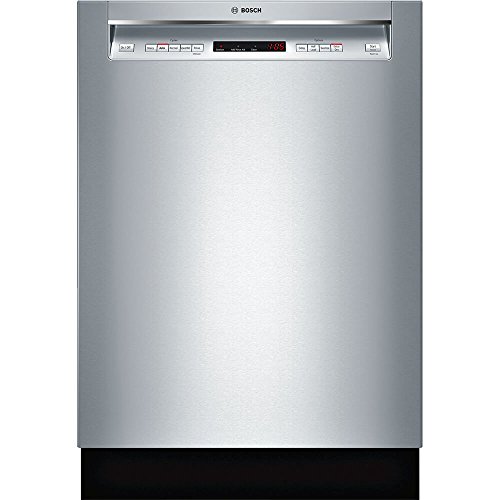 Bosch 300 Series SHEM63W55N | Check price on Amazon | |
 Sharp SDW6757ES | Check price on Amazon | |
 ZLINE Tallac Series DWV-BS-24 | Check price on Amazon |
Key takeaways
- Compare the best 24 dishwashers for a standard family kitchen: capacity, noise figures, rack layouts and drying methods from verified listings, side by side.
The 24-inch dishwasher is the standard family size for a reason. It is the width the typical kitchen cutout was built around, and inside that familiar footprint it carries the largest tubs, the most flexible racks and the fullest cycle sets in the residential market. For a household washing breakfast bowls, dinner plates, lunch containers and the odd roasting pan in one load, this is the class that fits both the cabinet and the workload.
This guide looks at the 24-inch class through a family lens: how much a load really holds, how loud the machine runs in an open-plan kitchen, how dry plastics come out, and how the racks handle tall glasses and wide pans. Every pick below is a standard 24-inch built-in model currently listed on Amazon US. The selections and specifications come from manufacturer specification sheets and the details published on each model’s Amazon US listing, so you can compare the published figures side by side before you buy.
Disclosure: As an Amazon Associate, we earn from qualifying purchases. Product details and availability can change; check the Amazon listing before you buy.
Quick picks at a glance
| Product | ASIN | Best for |
|---|---|---|
| Bosch 300 Series SHEM63W55N | B06Y25S9CT | The quietest running and the largest place-setting count in this group |
| Sharp SDW6757ES | B08GFP9ZS7 | Heated dry, a lit interior and a boosted wash zone for family loads |
| ZLINE Tallac Series DWV-BS-24 | B096LCK3W2 | A panel-ready front and a third rack for a custom kitchen |
What matters most for a standard family-size dishwasher
True fit in a standard cutout. The 24-inch label is a class name, not an exact measurement. The models here measure between 23 9/16 and 23.9 inches wide, and heights run from about 33 3/4 to 33 7/8 inches. Before ordering, measure your opening’s width, height and depth, then compare those numbers with the cutout figures on the model’s specification sheet. A standard opening accepts all three picks below, but a floor built up in front of the cabinet or a thick countertop overhang can change the height you have to work with.
Capacity and rack layout. Family loads are bulky and mixed. Place-setting counts in this class run from the low teens up to 16, but the rack design matters as much as the headline number. A third rack takes flatware, ladles and measuring cups out of the silverware basket and frees the lower rack for pans. An adjustable upper rack drops or lifts to clear tall stemware above or deep stockpots below.
Noise figure. In many homes the kitchen opens into the living space, so the dishwasher runs while people talk, watch television or do homework nearby. The sound figure is published in dBA, and lower is quieter. The spread in this group runs from 44 dBA to 51 dBA, a difference you can hear across a room even though both sit comfortably below the level of normal conversation.
Drying method. The three picks use three different approaches: condensation drying, a heated dry option, and a door that opens at the end of the cycle to release steam. Plastics are the hardest items to dry in any machine, so if your family load is full of lunch containers and sippy cups, the drying system deserves as much attention as the wash cycles.
Cycles matched to family cooking. Look for a heavy or pots cycle for baked-on pans, an auto cycle that senses soil and adjusts water use, a sanitize option for baby bottles and cutting boards, and a shorter express cycle for the mid-week refresh. A delay start also helps families run the machine overnight or while everyone is out.
Tub material. Stainless steel tubs hold heat, which supports drying, and they resist staining and odor over years of use. All three picks below use stainless interiors, which is typical for this size class once you move past entry-level models.
Bosch 300 Series SHEM63W55N
Why it fits family kitchens. The Bosch pairs the largest capacity in this group with the lowest noise figure, which is exactly the combination a busy household needs: a full day of family dishes in one load, washed quietly enough to run during dinner. The RackMatic upper rack adjusts through three positions, so tall glasses fit above while a deep pot sits below, and the third rack absorbs the flatware and utensils that usually crowd the basket. Five cycles cover the standard family rotation, and the sanitize option suits households washing baby bottles or items used for raw meat prep.
Trade-offs. Drying is condensation-based with no heated dry option, so plastic containers may come out with droplets and need a quick towel pass. The front console controls are visible rather than hidden, which some buyers like for mid-cycle checks and others find less sleek. Bosch built-ins are typically hardwired rather than plugged in, so confirm your installation setup before ordering.
Best for / Skip if. Best for families who run the dishwasher daily in an open-plan space and want maximum capacity at the lowest noise figure here. Skip it if dry plastics straight out of the rack are your top priority.
Sharp SDW6757ES
Why it fits family kitchens. The Sharp answers the two complaints families voice most: wet plastics and hard-to-see loading. Its heated dry option gives containers and cups a better finish than condensation alone, and the white LED interior light makes it easy to spot a stray spoon at the back of the rack when loading after dinner. Soil sensors adjust the wash to how dirty the load actually is, and the Power Wash zone concentrates spray on the casserole dishes and sheet pans that family cooking produces. At 45 dBA it stays close to the Bosch for quiet running.
Trade-offs. The published dimensions show a slightly deeper body than the Bosch, so shallow cabinets deserve a careful depth check, including room for hoses behind the unit. The feature set leans on sensing and wash zones rather than rack hardware, so buyers who specifically want a third rack should look at the other two picks. The top controls hide when the door is closed, which looks clean but means checking cycle progress at a glance is less direct.
Best for / Skip if. Best for families whose loads are heavy on plastics and cookware and who want heated drying plus a lit, easy-loading interior. Skip it if a third rack is a must-have on your list.
ZLINE Tallac Series DWV-BS-24
Why it fits family kitchens. The ZLINE is the design-led pick in this standard size class. Its panel-ready front accepts a custom cabinet panel, so the dishwasher blends into a renovated kitchen instead of breaking up the cabinet run, and the black stainless finish works without a panel in kitchens that use that finish elsewhere. Inside, three racks and eight wash cycles give the most loading and program flexibility in this group, and the door opens automatically at the end of the cycle, which helps steam escape and improves drying on everyday loads without a heating element running.
Trade-offs. At 51 dBA it is the loudest of the three, noticeable in a quiet open-plan room even if it remains below conversation level. The panel-ready design means a custom panel and handle are a separate project and a separate purchase, and the finished front is only complete once that panel is fitted. It is also the heaviest unit here, so plan for two people during installation.
Best for / Skip if. Best for families renovating a kitchen who want the standard 24-inch capacity to disappear behind cabinetry, with a third rack and the widest cycle choice. Skip it if you want a finished front straight out of the box or the quietest possible run.
How to choose between these picks
Start with your cutout, not the badge on the door. All three are standard 24-inch built-ins, but the Sharp’s depth and the ZLINE’s panel thickness change what your opening needs to accept. Measure width, height and depth, then match them against the cutout figures in each spec table above.
Next, decide how much noise matters. If the dishwasher shares space with your living room, the Bosch at 44 dBA and the Sharp at 45 dBA are the natural shortlist. If the kitchen is a separate room, the ZLINE’s 51 dBA is unlikely to bother anyone and its rack and cycle flexibility comes back into play.
Then think about what your family load actually looks like. Mostly plates, bowls and glasses with a daily rhythm? Any of the three handles that easily. Heavy on plastic containers? The Sharp’s heated dry is the safer match. Heavy on serving pieces, utensils and entertaining loads? The third racks on the Bosch and the ZLINE keep the lower rack open for the big items. Finally, if your kitchen design calls for the appliance to vanish behind a cabinet panel, the ZLINE is the only pick here built for that job.
Installation, loading and care for a standard 24-inch built-in
A standard cutout installation follows a familiar pattern: shut off the water supply and the breaker, slide the old unit out, and check that the water line, drain hose connection and electrical supply reach the new machine’s connection points. Most built-ins in this class connect to a hot water line with a 3/8-inch compression fitting, drain through a high loop or air gap as local code requires, and are either hardwired or fitted with a cord kit depending on the model. Level the unit with its adjustable feet before securing the mounting brackets, since a tilted dishwasher can leak and rack poorly. Run an empty hot cycle before the first real load to flush the lines and confirm there are no drips at the connections.
For daily family loading, put plates facing the center spray, bowls angled so water can drain off, and keep tall items clear of the spray arm’s rotation. Use the third rack, where fitted, for flatware and long utensils laid flat rather than nested. Clean the filter at the base of the tub on a regular cycle — family cooking loads it with more food soil than lighter use — and keep the rinse aid dispenser topped up, since rinse aid noticeably improves drying, especially with condensation systems. Wipe the door gasket and the edge where the door meets the tub every few weeks to stop residue building up where the seal sits.
FAQ
Are all 24-inch dishwashers exactly 24 inches wide?
No. The 24-inch name describes the size class and the nominal opening, while the machines themselves measure slightly less — the picks here run from 23 9/16 to 23.9 inches wide so they can slide into a 24-inch cutout. Always compare your measured opening with the model’s published cutout dimensions before ordering.
How many place settings does a family need?
For a household of four to six washing once a day, a tub in the mid-teens is the comfortable range. The Bosch in this group holds 16 place settings, the largest count here. Smaller households that run the machine every other day can also fill a tub of this size; the setting count matters less than whether pots and serving dishes fit alongside the plates.
What does the dBA figure mean in daily use?
It is the published sound level of the machine in decibels, and lower figures are quieter. The difference between 44 dBA and 51 dBA is easy to hear in the same room: the lower figure fades into background noise, while the higher one is present but still below typical conversation. In an open-plan home, figures in the mid-40s or below are the comfortable zone for running the machine while people are nearby.
Which drying method suits plastic containers best?
Plastics hold heat poorly, so they dry slowest in every system. A heated dry option, like the Sharp’s, gives plastics the warmest finish. Auto door open drying, like the ZLINE’s, vents steam at the end of the cycle and improves results without a heater. Condensation drying, like the Bosch’s, works well on glass, ceramic and metal, and rinse aid plus cracking the door after the cycle helps plastics catch up.
Can a panel-ready dishwasher be used before the custom panel is fitted?
It will wash, but the front is unfinished without the panel, the door weight and balance are set expecting the panel’s added mass, and the controls may sit awkwardly. Treat the panel as part of the installation rather than an accessory to add later, and confirm the panel dimensions and weight range in the model’s installation guide.
Conclusion
The 24-inch class is the standard family size because it asks for no compromises on capacity, and each pick here serves a different household. Choose the Bosch SHEM63W55N if you want the quietest run and the most place settings for daily family loads. Choose the Sharp SDW6757ES if heated drying, a lit interior and a boosted wash zone match the way your family cooks and loads. Choose the ZLINE DWV-BS-24 if the dishwasher needs to disappear behind cabinetry while still offering three racks and the broadest cycle set. Measure your cutout first, then let your loads and your kitchen layout make the final call.