Our Short List of 3
All 3 Picks at a Glance
| Product | Specs | Action |
|---|---|---|
 LG LDTH7972S — steam against water spots | Check price on Amazon | |
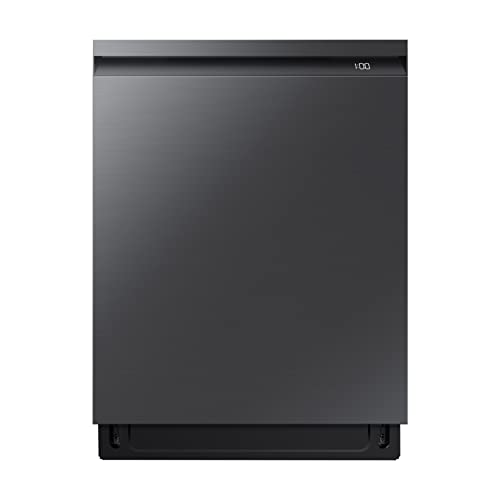 Samsung DW80B6060UG/AA — the coolest delicate wash | Check price on Amazon | |
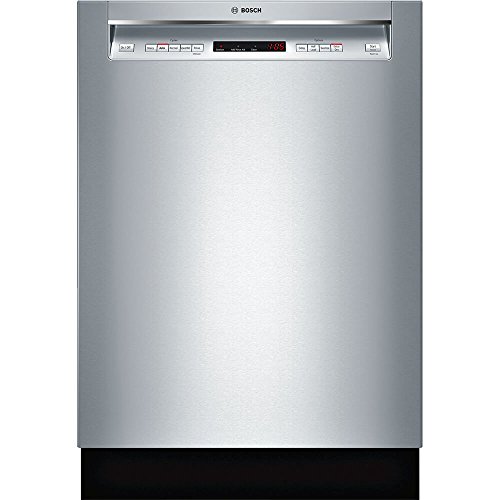 Bosch 300 Series SHEM63W55N — the party-turnaround pick | Check price on Amazon |
Key takeaways
- Find the best dishwashers for wine glasses: delicate low-temperature cycles, stemware-friendly racks, water softeners and gentle steam drying compared.
Wine glasses fail in a dishwasher in two distinct ways. The first is mechanical: stems knock against plates or each other, rims chip, and tall glasses topple when a rack is pushed in too fast. The second is chemical: mineral deposits dry into white spots, and over many washes, hot alkaline water can etch the glass surface into a permanent cloudiness that no polishing cloth will remove. A dishwasher that is genuinely good for stemware has to defend against both problems at once, with a low-temperature delicate cycle, racks that hold stems still and tall, and water treatment or drying that leaves glass clear instead of filmed.
This guide is for anyone who owns more stemware than fits a single dinner party load — collectors of Burgundy and Bordeaux stems, hosts who run the machine after every gathering, and households tired of hand-washing glasses that the dishwasher then clouds anyway. The picks below are compared on the specifications that decide glass outcomes: delicate cycle temperature, built-in water softening, rack adjustability and cup shelves, and drying method. Every pick is based on manufacturer specifications and Amazon listing details for the exact model; no testing claims are made, and where a figure comes from the maker’s own cycle chart or spec sheet, that is the figure used.
Disclosure: As an Amazon Associate, we earn from qualifying purchases. Product details and availability can change; check the Amazon listing before you buy.
Quick picks at a glance
| Product | ASIN | Best for |
|---|---|---|
| Bosch 300 Series SHE53B75UC | B0BT5SJB1F | Hard-water homes worried about etching and clouding |
| LG LDTH7972S | B0BX7FHNYM | Spot-free glass with steam and the quietest run |
| Samsung DW80B6060UG/AA | B0B9GHTQ1F | The coolest delicate wash and air-dry finish |
| Bosch 300 Series SHEM63W55N | B06Y25S9CT | Party hosts washing tall stems in bulk |
What matters most for wine glasses
A delicate cycle that actually runs cooler. A delicate or glass cycle is not just a shorter normal cycle. On the Samsung below, the maker’s cycle chart puts the Delicate main wash at 122 degrees Fahrenheit, far below its Heavy cycle. Lower wash and rinse temperatures reduce thermal stress on thin-walled glass and slow the etching process. Check the cycle chart, not just the cycle name, when comparing models.
Water softening and rinse aid discipline. White spots are usually minerals left behind when droplets dry; etching is actual surface damage from softened, highly alkaline water acting on glass over time. A built-in water softener, like the one in the Bosch SHE53B75UC, treats the water before it reaches the load and lets you match softness to your local supply. On models without a softener, keeping the rinse aid dispenser full is the main defence against spotting.
Racks that fit and hold stems. Tall stems need vertical clearance, so a height-adjustable upper rack matters more than raw capacity. Fold-down cup shelves cradle bowls and keep glasses from tipping, adjustable tines let you space stems so they never touch, and a third rack can take small glasses and free the upper rack for stemware alone.
Gentle drying. Heated drying bakes droplets onto glass; condensation drying, steam-assisted drying and auto-opening doors all leave fewer marks. LG states that its TrueSteam helps reduce water spots, and Samsung’s AutoRelease door vents the tub at the end of the cycle so glasses air-dry instead of sitting in steam. Less towel polishing afterwards also means fewer chips, because most stem breakage happens at the sink, not in the machine.
Quiet running for open-plan dining. Glass loads usually run after guests have eaten, often while people are still in the room. All four picks run at 46 dBA or below, and the LG runs at 42 dBA, so a delicate cycle can finish during the evening instead of after it.
Bosch 300 Series SHE53B75UC — the etching defence
| Spec | Detail |
|---|---|
| Type | 24-inch built-in, front control |
| Place settings | 15 |
| Noise level | 46 dBA |
| Wash cycles | 6 — Auto, Heavy, Normal, Speed60, Delicate, Rinse |
| Glass-care features | Delicate cycle, Delicate option with gentle drying, built-in water softener |
| Tub material | Stainless steel |
| Racks | 3, including a standard third rack |
| Water use | 2.6 gallons per cycle |
| Drying system | PureDry condensation drying |
| Connectivity | Wi-Fi with Home Connect |
| Width | 23.56 inches |
Why it fits wine glasses. This is the only pick in the guide with a built-in water softener, and for glassware that is the single most protective feature on the list. Softened wash water, set to your local hardness level, cuts the mineral film that dries into spots and reduces the cloudy haze that builds on frequently washed stems. Bosch then doubles down on the cycle side: alongside a Delicate cycle for fragile items, the control panel offers a Delicate option that Bosch’s manual describes as giving loaded glasses better care, with gentle drying. Condensation-based PureDry finishes the job without a blast of hot air baked onto the glass.
Trade-offs. At 46 dBA it is the loudest of the four picks, though still quiet by any normal standard. The softener needs periodic refills of dishwasher salt, which is one more consumable to keep on hand, and the front-control layout will not suit buyers who want a fully hidden panel.
Best for / Skip if. Best for households on hard water whose glasses are already showing film or early clouding. Skip if you refuse to manage softener salt, or if steam drying matters more to you than water treatment.
LG LDTH7972S — steam against water spots
Why it fits wine glasses. LG built this model’s glass story around steam. The maker states that TrueSteam helps penetrate food residue and reduce water spots, and water spots are the number one complaint from anyone who machine-washes stemware. Pair the Steam option with the dedicated Delicate cycle and glasses get a gentle wash followed by a steam-assisted finish instead of droplet marks. The height-adjustable third rack and adjustable upper rack give tall stems the vertical room they need, and at 42 dBA this is the quietest dishwasher in the guide, so a glass load can run while guests are still at the table.
Trade-offs. There is no built-in water softener, so in very hard water areas rinse aid discipline carries the whole load against spotting. Steam cycles run longer than standard cycles, and the feature set is deep enough that finding the right cycle-and-option pairing takes a few loads of experimentation.
Best for / Skip if. Best for hosts who hate polishing spots off glasses and want the quietest machine for open-plan spaces. Skip if your water is hard enough that etching, not spotting, is your main problem — the Bosch softener model is the safer pick there.
Samsung DW80B6060UG/AA — the coolest delicate wash
Why it fits wine glasses. Samsung publishes the temperatures behind its cycle names, and its Delicate cycle runs the coolest main wash in this guide at 122 degrees Fahrenheit — gentle treatment for thin-walled stems and decorated glass. The upper rack’s foldable cup shelves, listed in Samsung’s own specification for this model, give bowls and stems a cradle instead of a bare tine row. When the cycle ends, the AutoRelease door opens automatically to circulate air, so glasses dry in moving air rather than sitting in a sealed, steamy tub; that means less spotting and less towel work at the chip-prone moment of unloading.
Trade-offs. There is no steam option and no built-in softener, so hard-water households lean entirely on rinse aid. The StormWash+ jet is aimed at baked-on cookware in the lower rack and does nothing for a glass load, and this listing is the black stainless finish, which will not match every kitchen.
Best for / Skip if. Best for owners of delicate, thin-walled stemware who want the gentlest verified wash temperature and an air-dry finish. Skip if you want steam assistance or a built-in softener.
Bosch 300 Series SHEM63W55N — the party-turnaround pick
Why it fits wine glasses. Bosch’s manual for this model family describes the Clean30 cycle as the one to use for glasses and dessert dishes that may need to be reused at the same event — a short, light wash built exactly for the mid-party turnaround, when the first round of stems needs to come back into service. Capacity helps too: 16 place settings is the most in this guide, so a full dinner party’s stemware fits in one load. The RackMatic upper rack adjusts in height, which is what makes room for tall Bordeaux stems below the spray arm, and condensation drying avoids baking droplets onto the glass.
Trade-offs. This is a long-running platform without app control, and it has no built-in water softener, so it sits a step behind its Bosch sibling for hard-water homes. Its glass case rests on the Clean30 cycle and rack design rather than on a dedicated full-length delicate programme, and because the model has been sold for several years, confirm the exact configuration on the listing before ordering.
Best for / Skip if. Best for entertainers who wash many glasses at once and want a fast, gentle refresh cycle between courses. Skip if you want the newest connected features or a softener.
How to choose between these picks
Start with your water, because it decides which problem you are actually fighting. If glasses come out of your current machine with white film that wipes off, that is mineral spotting: the LG’s steam finish or diligent rinse aid use will fix most of it. If the cloudiness does not wipe off, that is early etching, and the Bosch SHE53B75UC with its built-in softener is the only pick here that treats the cause rather than the symptom.
Next, think about the glasses themselves. Thin, tall, fine stems benefit most from the Samsung’s verified 122-degree Delicate wash and cup shelves. Sturdy everyday stemware in large quantities points to the SHEM63W55N and its 16 place settings plus the Clean30 turnaround cycle. If your kitchen opens onto the dining space and loads run during the evening, the LG at 42 dBA is the one nobody will hear.
Finally, be honest about maintenance habits. A softener only protects glass if you refill the salt; steam only helps if you select it. The best pick is the one whose glass-care routine you will actually follow every load.
Loading and caring for stemware
Load wine glasses in the upper rack only, angled slightly, with each bowl resting against a tine or on a folded cup shelf so glass never touches glass. Leave a finger’s width between stems; contact points are where chips start. Use the rack height adjustment for tall stems rather than forcing them in at a lean, and push racks in slowly — most in-machine breakage happens when a loaded rack is slammed.
Run the delicate or glass cycle for stemware loads and leave the high-temperature options off; sanitize and hi-temp settings are built for cookware and baby items, not for fine glass. Keep the rinse aid dispenser full even when you use combination detergent, because rinse aid is what makes water sheet off glass instead of beading into spots. If your machine has a softener, keep the salt topped up and set the hardness level to your actual supply.
Unload the lower rack first so water pooled on upturned bases above cannot drip onto dry glasses below. Antique, gilded, hand-painted and lead crystal glasses are the exception to everything in this guide: most makers advise hand-washing those, and no cycle setting makes a dishwasher the right tool for them.
FAQ
Can all wine glasses go in the dishwasher?
Most machine-made stemware can, on a delicate cycle, provided it fits without touching neighbouring items. Lead crystal, antique, gilded and hand-painted glasses should be hand-washed; the makers of fine crystal consistently advise against machine washing, and no dishwasher setting changes that.
Why do my wine glasses come out cloudy?
There are two causes. Spotting is mineral residue left when droplets dry, and it wipes or rinses away; rinse aid, steam drying or a built-in softener addresses it. Etching is microscopic surface damage from hot, alkaline wash water over many cycles and is permanent; cooler delicate cycles and correct softener settings slow it down, which is why the cycle temperatures in this guide matter.
Which cycle should I use for wine glasses?
Use the delicate or glass cycle. On the Samsung DW80B6060UG that cycle’s main wash runs at 122 degrees Fahrenheit per the maker’s chart, and Bosch’s Delicate option is described by Bosch as giving loaded glasses better care with gentle drying. For a quick refresh of lightly used glasses, the SHEM63W55N’s Clean30 cycle is designed for exactly that job.
Does a third rack help with wine glasses?
Indirectly. A third rack takes cutlery and small items out of the upper rack, leaving the upper rack free to be arranged around stemware alone. What helps directly is upper rack height adjustment and cup shelves, which is why those features are called out in every pick above.
Is steam safe for wine glasses?
Steam in these machines is a wash and drying aid, not a pressure jet. LG positions TrueSteam as a way to reduce water spots, and pairing the Steam option with the Delicate cycle keeps wash temperatures in the gentle range. If a glass is valuable enough that any doubt feels wrong, hand-wash it; steam is for everyday and entertaining stemware.
Conclusion
For most stemware owners, the LG LDTH7972S is the most complete package: a delicate cycle, steam that the maker aims squarely at water spots, adjustable racks for tall stems and the quietest operation here. If your glasses are clouding rather than spotting, choose the Bosch SHE53B75UC instead — its built-in water softener is the only feature in this guide that treats the cause. Choose the Samsung DW80B6060UG if your stems are thin and delicate and you want the coolest verified wash with an air-dry finish, and choose the Bosch SHEM63W55N if you entertain often and need party-sized capacity with a fast glass refresh cycle. Whichever you pick, the routine matters as much as the machine: delicate cycle, rinse aid full, stems spaced and secured.