Our Short List of 3
All 4 Picks at a Glance
| Product | Specs | Action |
|---|---|---|
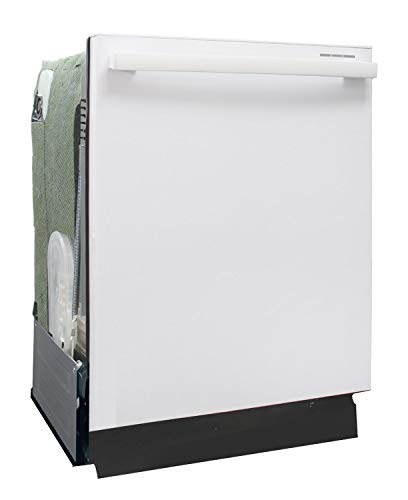 SPT SD-6502W — the full-size basic pick | Check price on Amazon | |
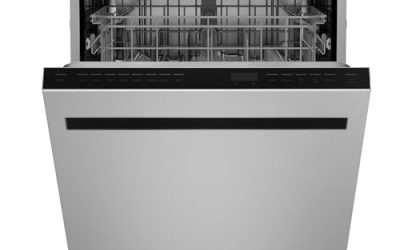
 Galanz GLDW12TS2A5A — quiet and simple in a standard opening | Check price on Amazon | |
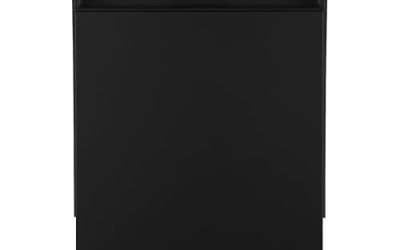
 Midea MDF18A1ABB — the slim pick with a proper display | Check price on Amazon | |
 EdgeStar BIDW1802SS — narrow fit with leak protection | Check price on Amazon |
Key takeaways
- Find the best basic dishwashers for simple, no-frills cleanup: four simple, straightforward built-in models compared by capacity, cycles, noise and tub type.
A basic dishwasher does one job and does it without ceremony: it washes a full load of everyday dishes, dries them well enough to put away, and asks very little of you in between. There is no app to pair, no voice assistant to configure, and no cycle menu so long that you need the manual open on the counter. If you are replacing a worn-out entry-level machine, fitting out a rental kitchen, buying your first built-in dishwasher, or simply downsizing the feature list on purpose, this is the category you want.
This guide compares four straightforward built-in models that are still sold on Amazon US: two full-size 24-inch machines for standard openings and two slim 18-inch machines for narrow cabinets. Every pick covers the fundamentals the same way — a Heavy cycle for baked-on cookware, a Normal or Auto cycle for daily loads, a fast cycle for lightly soiled dishes, and heated or high-temperature drying help. The picks are based on manufacturer specifications and Amazon listing details, so you can see exactly which figure comes from the maker and check it against the listing before you buy.
Disclosure: As an Amazon Associate, we earn from qualifying purchases. Product details and availability can change; check the Amazon listing before you buy.
Quick picks at a glance
| Product | ASIN | Best for |
|---|---|---|
| SPT SD-6502W | B07VXBTGX6 | Full-size basic cleaning for family loads |
| Galanz GLDW12TS2A5A | B08DLQSLVM | A quiet 24-inch machine with simple hidden controls |
| Midea MDF18A1ABB | B0C84HDJCC | Slim kitchens that still want a clear LED display |
| EdgeStar BIDW1802SS | B07RP2S2R9 | Narrow cutouts, with a leak sensor for peace of mind |
What matters most when you buy a basic dishwasher
Opening width before everything else. Built-in dishwashers come in two cabinet widths: 24 inches for a standard opening and 18 inches for a slim opening. Measure the width, height and depth of your cutout first, because no feature on this list matters if the machine does not slide into the space you have. The two 18-inch picks below exist for kitchens where a 24-inch unit simply will not fit.
Capacity in place settings. Place settings are the maker’s count of how many full place settings fit in one load. Eight place settings suit one or two people who cook most days. Twelve to fourteen place settings suit families who run the machine once a day and want pots and serving dishes in the same load.
A short, honest cycle list. Basic does not mean one cycle. Look for Heavy, Normal, a quick or express cycle, and a rinse-only option for dishes that will be washed later. A sanitize or high-temperature option is worth having if you regularly wash baby bottles, cutting boards or canning jars.
Drying method. Heated dry uses a heating element to speed evaporation and works well on glass, ceramic and metal. All dishwashers dry plastic poorly compared with other materials, because plastic cools fast and holds droplets, so expect to shake water off storage containers whatever you buy.
Noise figure in dBA. The sound figure tells you how intrusive a cycle will be in an open-plan room. Figures in the low 50s are typical for this class and are easy to live with; a figure under 50 dBA is noticeably calmer in the evening.
Tub material and filter type. A stainless steel tub resists stains and odours and helps condensation drying. A manually cleaned filter needs a rinse under the tap every few weeks; that small chore is normal in this class and keeps wash water clean.
SPT SD-6502W — the full-size basic pick
Why it fits a basic brief. The SD-6502W is the largest machine in this guide and the closest thing here to a set-and-forget family dishwasher. Its Smart Wash system reads how dirty the water is and adjusts the cycle, which means the one decision you make most days is pressing start. Six programs cover the realistic range — Heavy for roasting pans, Delicate for glasses, Quick for a lunch load, and an Energy Saver program for lightly soiled dishes — and heated drying finishes the load without a fan or a door that pops open on its own. The top cutlery rack lays forks and utensils flat, which frees the lower rack for plates and bowls.
Trade-offs. At 55 dBA it is the loudest pick here, so it is better suited to a closed kitchen than to a studio apartment. The white finish will not match stainless appliances, and there is no half-load option for small washes.
Best for / Skip if. Best for families replacing a standard 24-inch machine who want capacity and an automatic cycle. Skip it if your kitchen is open to your living space and you run the dishwasher in the evening.
Galanz GLDW12TS2A5A — quiet and simple in a standard opening
Why it fits a basic brief. The Galanz keeps its controls hidden along the top edge of the door, so the front of the machine is a plain stainless panel with nothing to bump or misread. Under that plain front sits a sensible specification: six cycles, a Half Load option for the nights when the machine is only partly full, and a Sanitize option for chopping boards and bottles. Its 49 dBA figure is the lowest in this guide, which makes it the easiest pick to run after dinner in an open-plan home. The adjustable upper rack moves to make room for tall glasses or for larger pans below, and the built-in water softener is a genuine practical extra if your supply is hard, because it doses softening salt automatically once you set your water hardness level.
Trade-offs. The filter is the manual-clean type, so it needs a rinse every few weeks. Hidden controls cannot be checked at a glance mid-cycle the way front controls can, and 12 place settings is a step down from the SPT above.
Best for / Skip if. Best for open-plan kitchens and hard-water homes that want a calm, uncluttered machine. Skip it if you prefer front controls you can read while the door is closed.
Midea MDF18A1ABB — the slim pick with a proper display
Why it fits a basic brief. The Midea is built for the 18-inch opening: a galley kitchen, a small apartment, or the space left by an old trash compactor. Inside that narrow frame it still fits 8 place settings and plates up to 11 inches across, and the lower basket leaves room for platters and cookie sheets once the cutlery basket is lifted out. The control panel is the clearest in this guide — push buttons with an LED display that shows where the cycle stands — and the program list covers the same ground as the full-size machines: Heavy, Normal, ECO, Delicate, Quick and Rinse. Heated Dry, Hi-Temp and Sanitize functions sit behind single buttons, and a delay start of up to 24 hours lets you run the load overnight.
Trade-offs. Eight place settings is a hard ceiling; a family that cooks three meals a day will run it twice. The black finish is the only colour on this listing, and at 52 decibels it is audible in a quiet room, though not intrusive.
Best for / Skip if. Best for one- and two-person households with a slim cutout who still want a display and a sanitize function. Skip it if you regularly wash for four or more people.
EdgeStar BIDW1802SS — narrow fit with leak protection
Why it fits a basic brief. The EdgeStar exists for one specific measurement: a cutout 17.75 inches wide. That is the width of an old trash compactor bay and of many undersized dishwasher openings in older kitchens, and this machine is designed to slide into it without cabinet work. It does not ask you to accept a stripped interior for that fit — the tub is full stainless steel, the cycle list runs to six with a Glass program for stemware and a Rapid program for a fast turnaround, and the options include Sanitize, Hi Temp and Heated Dry. The feature that sets it apart in this guide is the leakage sensor, which shuts off the water flow if it detects a leak. In an older kitchen with older plumbing, that is a practical safeguard rather than a luxury.
Trade-offs. Like the Midea, capacity tops out at 8 place settings, and oversized sheet pans and woks will not clear the upper rack. Drying relies on heat and condensation, so plastic tubs and hollow mug bases can come out damp.
Best for / Skip if. Best for older kitchens, compactor-bay conversions and anyone who values the leak shutoff. Skip it if you have a full 24-inch opening, where the two larger picks give you more room for the same daily work.
How to choose between these picks
Start with the tape measure. If your cutout is a standard 24 inches wide, choose between the SPT and the Galanz. Pick the SPT SD-6502W if capacity leads your decision: 14 place settings and a soil-sensing automatic program make it the easiest machine here for a busy family. Pick the Galanz GLDW12TS2A5A if noise and water quality lead: its 49 dBA figure suits open-plan rooms, and the built-in softener suits hard-water areas.
If your cutout is 18 inches wide, choose between the Midea and the EdgeStar. They match on capacity, cycle count and noise figure, so the decision comes down to details. Pick the Midea MDF18A1ABB if you want the black finish and the delay start for overnight running. Pick the EdgeStar BIDW1802SS if your opening is exactly the compactor-bay width or if the leak sensor matters to you.
Whichever width you have, confirm the height and depth of the opening against the spec tables above, and check that your hot water supply and a standard household electrical connection are in place before ordering.
Setup, everyday workflow and care
All four machines are hardwired or corded built-ins that connect to a hot water line, a drain and a 120-volt supply; most owners have a plumber or installer fit them, and the slim models are light enough that positioning them is the easy part of the job. Before the first wash, set the water hardness level on the Galanz so its softener doses correctly, and fill the rinse aid dispenser on any of the four — rinse aid is what makes heated and condensation drying work properly on glass.
Day to day, basic machines reward simple habits. Scrape plates rather than rinsing them under the tap, load large items at the back and sides so the spray arms can turn, and face the dirtiest surfaces toward the centre. Run the Heavy cycle for roasting pans rather than running Normal twice.
Care is short and predictable. Rinse a manual-clean filter under the tap every few weeks, wipe the door seal, and top up rinse aid when the indicator shows. On the Galanz, keep the salt reservoir filled if your water is hard. Running an empty hot cycle every month or two keeps the tub fresh on all four models.
Frequently asked questions
What makes a dishwasher a basic model?
A basic model covers the core cycles — Heavy, Normal, a quick cycle and a rinse — with simple push-button or touch controls and no connectivity features such as Wi-Fi, app control or voice assistants. Everything in this guide is basic in that sense, while still offering heated drying and a sanitize option.
Is an 18-inch dishwasher enough for a household?
For one or two people, yes: 8 place settings cover a full day of dishes for a couple who cook at home. Households of four or more, or anyone who washes large pots daily, will usually be happier with a 24-inch machine holding 12 to 14 place settings.
Will a basic dishwasher dry plastic containers?
Only partly. Heated dry and hot final rinses dry glass, ceramic and metal well, but plastic cools quickly and holds water droplets, so containers and lids often need a shake or a moment on a rack. This is true of dishwashers at every level, not a fault of basic models.
How loud are the figures quoted here in real terms?
A figure of 49 dBA is quieter than a normal conversation; 52 to 55 dBA is around conversation level. In practice, the Galanz will be the least noticeable in an open-plan room, while the SPT at 55 dBA is better matched to a kitchen with a door.
Do these dishwashers need a special electrical supply?
No. All four run on a standard 120-volt household supply and a hot water feed. What does need checking is the cutout: the 18-inch models require a narrower opening, and the EdgeStar lists its exact cutout dimensions in the spec table above.
Conclusion
If you have a standard opening and want the simplest route to clean family loads, choose the SPT SD-6502W and let its soil-sensing program make the daily decision for you. If your kitchen is open-plan or your water is hard, choose the Galanz GLDW12TS2A5A for its lower noise figure and built-in softener. If your opening is slim, choose the Midea MDF18A1ABB for its clear display and delay start, or the EdgeStar BIDW1802SS if your cutout is compactor width or you want the protection of a leak sensor. None of these machines will try to be clever; that is exactly the point of a basic dishwasher, and each one here covers the fundamentals with specifications you can verify on its listing.