Our Short List of 3
All 4 Picks at a Glance
| Product | Specs | Action |
|---|---|---|
 FiiO K11 R2R | Check price on Amazon | |
 FiiO K13 R2R | Check price on Amazon | |
 HIFIMAN EF499 | Check price on Amazon | |
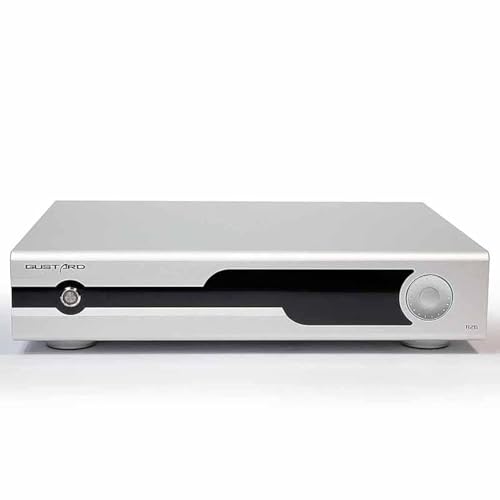 Gustard R26 | Check price on Amazon |
Key takeaways
- Compare the best multibit and R-2R DACs for high-resolution music, with format support, inputs, outputs and balanced options for desktop and home systems.
Multibit DACs take a different path from the delta-sigma chips found in most modern audio gear. Instead of converting a digital signal with a one-bit stream and heavy noise shaping, a multibit design, most often built as an R-2R resistor ladder, converts each sample using a network of precision resistors. Many listeners describe the result as a fuller, more relaxed presentation, especially with well-recorded acoustic music, vocals, and high-resolution files where small details in decay and ambience matter. That reputation has kept multibit designs in demand even as chip-based DACs have become cheaper and cleaner on paper.
This guide covers four multibit and R-2R DACs that are still sold on Amazon US and that suit high-resolution music in different kinds of systems. Two are compact desktop DAC and headphone amplifier combinations from FiiO, one is a larger HIFIMAN desktop unit with streaming support, and one is a dedicated Gustard converter with a built-in network renderer for a full home system. Every model here uses a genuine resistor-ladder or proprietary multibit conversion stage, rather than a conventional delta-sigma chip described in multibit language.
As an Amazon Associate, we earn from qualifying purchases.
How to Choose a Multibit DAC for High-Resolution Music
Start with the conversion architecture itself. A true R-2R ladder uses matched resistors for each bit, so resistor accuracy shapes linearity and low-level detail. Fully differential ladders, used in the FiiO models below, run separate ladders for each side of the balanced signal. Proprietary modules, such as the Himalaya architecture in HIFIMAN gear, package the ladder in a custom module instead of a board of discrete resistors. None of these approaches guarantees a particular sound on its own, but they do explain why multibit DACs cost more to build than a single converter chip.
Next, match the format support to the library that will actually be played. High-resolution PCM is the core requirement, and every DAC here handles high sample rates over USB. DSD support matters for listeners with SACD rips or native DSD downloads, and the ceiling differs by model and by input. Optical and coaxial inputs usually top out at lower rates than USB, so a collection built around very high-rate PCM or DSD belongs on the USB or I2S input where the model offers one. Check the per-input limits in each product section rather than assuming the headline rate applies everywhere.
Inputs and outputs decide how the DAC fits an existing system. A desktop listener with headphones benefits from a combined DAC and amplifier with both single-ended and balanced headphone sockets, because no separate amplifier is needed. A listener feeding powered speakers or a separate amplifier needs line outputs, ideally both RCA and balanced XLR, and a preamp or fixed-output mode that matches the next component. Network streaming is a separate question again. Most DACs rely on a computer or phone as the source, while a model with a built-in renderer, such as the Gustard R26, can receive music over a home network directly.
Oversampling choices are another practical difference. Many multibit DACs offer both an oversampling mode, which applies digital filtering inside the DAC, and a non-oversampling mode, often shortened to NOS, which passes the signal through with minimal filtering. Neither mode is correct for every listener or every recording. Having both, as several models here do, lets the owner choose per system and per album without changing hardware. Bluetooth input, parametric equalization, and remote control are convenience features rather than conversion features, but on a desktop they can decide which unit gets used every day.
The four picks below run from the simplest way into multibit sound to the most complete dedicated converter.
FiiO K11 R2R
The K11 R2R is the most accessible entry in this guide. It takes the compact desktop form of the standard K11 and replaces the chip-based conversion with a fully differential 24-bit R-2R resistor array built from 192 ultra-thin film resistors. That makes it a genuine ladder DAC in a small aluminum chassis, sized for a desk where a full-width component would not fit. It combines the DAC with a headphone amplifier in one unit, so a computer, a pair of headphones, and this box form a complete high-resolution desktop system.
For music listening, the format support covers the needs of most downloadable and streamed high-resolution libraries, with PCM support up to 384 kHz and DSD256 over its digital inputs according to the product listing. USB-C suits modern laptops, while coaxial and optical inputs let it serve a CD transport, a game console, or a television as a secondary source. On the output side, a 6.35 mm single-ended socket and a 4.4 mm balanced socket cover the two most common headphone connections, and an RCA line output lets the same unit feed powered speakers or a separate amplifier when headphones are not in use.
Three gain levels help match the amplifier section to both sensitive in-ear monitors and harder-to-drive full-size headphones, and the listed maximum output of 1300 mW gives it useful headroom for a compact unit. Listeners who want a first multibit DAC without rebuilding a whole system around it will find this the lowest-friction option in the group.
Who It Suits
The K11 R2R suits desktop listeners who want ladder-DAC character in a compact, all-in-one unit and who mainly listen on headphones. It also suits a first step into high-resolution files, where USB playback from a laptop is the main source. Listeners who need balanced line outputs, network streaming, or a remote control should look at the larger models below instead.
FiiO K13 R2R
The K13 R2R builds on the same idea as the K11 R2R and expands it into a more complete desktop hub. It uses a fully differential 24-bit R2R design built around four parallel resistor arrays, and it adds features the smaller model leaves out, including LDAC Bluetooth streaming, a 10-band parametric equalizer, balanced XLR line outputs alongside RCA, and a choice of internal AC power or external DC power. For a listener who liked the concept of the K11 R2R but needs the DAC to serve speakers as well as headphones, this is the step up within the same family.
The headline amplifier figure is 2400 mW of output power, which is substantially more headroom than the K11 R2R offers and enough for a broad range of full-size headphones without a separate amplifier. Dual NOS and OS modes let the listener choose between non-oversampling and oversampling operation from the same unit, which is a meaningful feature in a multibit DAC because those two modes present high-resolution files in noticeably different ways. The parametric equalizer works in the digital domain, so small corrections for a particular headphone can be applied before conversion rather than with extra software on the computer.
Connectivity is the other reason to choose this model. Bluetooth with LDAC covers high-quality wireless playback from a phone when a cable is inconvenient, while USB, coaxial, and optical inputs cover wired sources. Balanced XLR and single-ended RCA outputs mean the K13 R2R can drive a pair of powered monitors in balanced mode during the day and headphones at night, without swapping cables. It remains a desktop component rather than a rack component, but it covers more roles than any other compact unit in this guide.
Who It Suits
The K13 R2R suits desktop listeners who want one multibit unit to handle headphones, powered speakers, and wireless playback from a phone. It also suits listeners who value the choice between NOS and OS modes and who want parametric equalization built into the DAC itself. Listeners building a rack system around a separate network streamer may still prefer the dedicated Gustard below.
HIFIMAN EF499
The EF499 takes a different physical approach. It is a tall, vertical desktop DAC and headphone amplifier built around HIFIMAN R2R architecture, and its upright body can double as a headphone stand, which saves desk space in a way a flat box cannot. That design choice signals its intended role clearly. This is a unit for a dedicated listening desk, where headphones live on or beside the DAC and the system stays set up permanently rather than being packed away.
Inside, the R2R conversion feeds a balanced amplifier stage with a listed output of 4.35 watts into 32 ohms, the highest headphone output figure in this guide. That output is delivered through a balanced XLR headphone connection and a 6.35 mm single-ended socket on the front, while the rear panel provides balanced XLR and RCA line outputs for feeding a separate amplifier or powered speakers. Gain switching and a choice of NOS and OS operating modes are provided on the unit, so the listener can adjust both drive and conversion behavior without opening software on the source device.
The EF499 also adds a feature none of the FiiO models here offer in the same form, namely support for streaming media over a network connection, alongside its USB and coaxial inputs. That makes it a more self-contained source for a listening desk that is not always tethered to a computer. Listeners who prefer a horizontal chassis, Bluetooth input, or I2S should compare it carefully with the other models, because its strengths are power, form factor, and streaming rather than the widest input list.
Who It Suits
The EF499 suits headphone listeners who want strong balanced drive, a permanent listening-desk setup, and network streaming support in the same unit. It also suits owners of harder-to-drive planar magnetic headphones, where the higher output figure is useful. Listeners who need a compact horizontal unit for a small desk, or who rely on optical input, will be better served by one of the FiiO models.
Gustard R26
The R26 is the dedicated converter in this guide, and the only model here with no headphone amplifier competing for space or budget inside the chassis. Everything in the design serves conversion and system integration. It uses a discrete R2R ladder for PCM alongside a separate one-bit path for DSD, supports PCM up to 768 kHz and DSD512, and includes a built-in streamer and renderer, so it can receive music over a home network as well as from conventional wired digital sources. This silver listing is the version referenced in the table at the end of this guide.
The digital input set is the broadest here by a clear margin. USB, coaxial, optical, AES/EBU, and I2S cover computers, CD transports, and separate digital interfaces, while the network connection covers streaming playback without a computer acting as the transport. A K2 clock system and an external clock input option address the timing side of high-resolution playback, which matters more as sample rates rise. MQA decoding is also supported for listeners whose streaming library includes MQA files. Balanced XLR and single-ended RCA outputs feed a separate preamplifier, integrated amplifier, or headphone amplifier, and a remote control is included for volume and input selection in a listening-room setup.
Because the R26 is a pure DAC, it makes sense when a good amplifier already exists and the goal is to upgrade the conversion stage and add network playback in one move. Listeners who do not yet own a separate amplifier should count that extra component honestly, because the other units here play music on their own and the R26 does not.
Who It Suits
The R26 suits listeners building or upgrading a full home system who already own a separate amplifier and want a dedicated multibit converter with network streaming. It also suits owners of large high-resolution PCM and DSD libraries who need I2S, AES/EBU, and the highest format ceilings in this guide. Headphone-only desktop listeners who want an all-in-one unit should choose one of the combined models above instead.
FAQ
What is a multibit DAC, and how is it different from a normal DAC?
A multibit DAC converts each digital sample using several bits at once, most commonly through an R-2R network of precision resistors. A typical delta-sigma DAC instead converts a high-speed one-bit stream and relies on noise shaping and filtering. Both approaches can play high-resolution files, but they are built differently, and many listeners prefer the presentation of a well-implemented resistor ladder for long listening sessions.
Does an R-2R DAC improve the sound of standard-resolution files?
An R-2R DAC plays standard-resolution files such as 16-bit, 44.1 kHz recordings without any special requirement, and its conversion architecture applies to those files in the same way as to high-resolution ones. Whether the difference is audible depends on the recording, the rest of the system, and the listener. High-resolution support still matters for compatibility, because it confirms the DAC can accept the full range of files and streams a modern library contains at their native rates.
What is the difference between NOS and OS modes on a multibit DAC?
OS means the DAC oversamples the incoming signal and applies its digital filter before conversion. NOS, or non-oversampling, reduces or bypasses that processing and converts the signal closer to its original sample rate. Several DACs in this guide offer both modes. Neither is universally better, so a model with both lets the listener choose by recording and by system rather than committing to one approach at purchase.
Do I need a separate amplifier with a multibit DAC?
It depends on the model. The FiiO K11 R2R, FiiO K13 R2R, and HIFIMAN EF499 in this guide combine a DAC with a headphone amplifier, so they drive headphones directly and can also feed powered speakers. The Gustard R26 is a dedicated DAC with line outputs only, so it needs a separate headphone amplifier, preamplifier, or integrated amplifier to play music.
Final Verdict
For most listeners, the choice comes down to the role the DAC has to play. The FiiO K11 R2R is the simplest and most compact way into genuine resistor-ladder conversion for headphone listening at a desk. The FiiO K13 R2R is the better all-round desktop hub, adding balanced line outputs, Bluetooth, parametric equalization, both NOS and OS modes, and considerably more headphone power. The HIFIMAN EF499 suits a dedicated listening desk where very strong balanced headphone drive, an upright stand design, and network streaming support matter most. The Gustard R26 is the pick for a full home system, where a separate amplifier already exists and a dedicated discrete R2R converter with I2S, network rendering, and the highest PCM and DSD ceilings will anchor the system for years. Any of the four keeps the focus where this category promises it, on careful multibit conversion of high-resolution music rather than on a long list of unrelated features.
Product and ASIN Reference
| Product | ASIN |
|---|---|
| FiiO K11 R2R | B0D9BB5RL1 |
| FiiO K13 R2R | B0FQ4SVMGY |
| HIFIMAN EF499 | B0CZDSBNF6 |
| Gustard R26 (Silver) | B0B53FJ8P9 |