Our Short List of 3
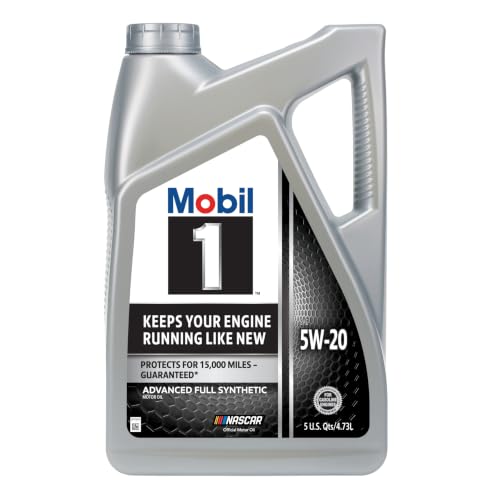
- Best for: Daily drivers that need a long, simple oil change interval.
- Specs:
- Viscosity: SAE 5W-20
- Type: full synthetic motor oil
- Volume: 5 quarts (4.73 liters)

- Best for: Newer cars whose manuals call for the latest API and ILSAC approvals.
- Specs:
- Viscosity: SAE 5W-20
- Type: advanced full synthetic motor oil
- Volume: 5 quarts

- Best for: Hard-working engines that need extra wear and deposit protection.
- Specs:
- Viscosity: SAE 5W-20
- Type: advanced full synthetic motor oil
- Volume: 5 quarts
All 4 Picks at a Glance
| Product | Specs | Action |
|---|---|---|
| Mobil 1 Advanced 5W-20 |
| Check price on Amazon |
| Castrol EDGE 5W-20 |
| Check price on Amazon |
| Valvoline Advanced 5W-20 |
| Check price on Amazon |
 Pennzoil Platinum 5W-20 |
| Check price on Amazon |
Key takeaways
- Looking for the best sae 5w 20 oil? We compare four full synthetic 5W-20 oils on specs, approvals and change intervals to help you pick the right jug.
The owner’s manual says 5W-20, the shelf holds a dozen jugs that all look the same, and the wrong choice shows up as noisy cold starts, faster oil consumption, or a warranty argument you do not want. Every 5W-20 on this page is a full synthetic in the standard 5-quart jug, yet they split on drain interval, on the approvals printed on the label, and on how much wear protection the maker claims against the industry test. Picking well means matching the oil to the engine in front of you, not grabbing the jug with the loudest label.
This article is for drivers whose manual calls for 5W-20: owners of common gasoline cars, trucks and SUVs, high-mileage drivers who want a longer drain interval, and anyone choosing between the four big names at the auto parts store. Each product below was chosen from the name and the specification details on its own Amazon product page, with the viscosity, the approvals and the change interval taken from that listing.
Quick Picks
As an Amazon Associate we earn from qualifying purchases
| Product | Best for | Key spec from title |
|---|---|---|
| Mobil 1 Advanced 5W-20 | Longest routine interval on a daily driver | 10,000-mile protection |
| Castrol EDGE 5W-20 | Newest API and ILSAC approvals | API SQ and ILSAC GF-7 |
| Valvoline Advanced 5W-20 | Wear protection on a hard-working engine | 40 percent better wear protection |
| Pennzoil Platinum 5W-20 | Cleanliness and a 15,000-mile interval | 15,000-mile protection |
How to Choose
Match the Viscosity to the Manual First
The number on the cap is not a suggestion. Engines built for 5W-20 have tighter bearing clearances and oil passages sized for a thinner cold-flow oil, so a thicker grade can starve the top end on a cold morning and cost fuel economy every day after. Check the cap and the manual before you buy, because some engines list 5W-20 for normal use and a different grade for towing or extreme heat. All four oils in this article are SAE 5W-20, so any of them fits the grade requirement; the decision is about approvals, interval and the condition of your engine, not about finding the right viscosity.
Read the Approvals, Not the Marketing
API SP, API SQ, ILSAC GF-6A and ILSAC GF-7 are the letters that decide whether an oil is current for a modern gasoline engine, and GM dexos1 and Ford or Chrysler maker specs decide whether it is approved for a specific vehicle. An oil that only lists older categories such as API SN may still work in an older engine, but it lacks the low-speed pre-ignition protection that direct-injection engines need. Every pick below prints its approvals on the listing, so compare the label against the manual: a Ford that wants WSS-M2C960-A1, a Chrysler that wants MS-6395, or a GM that wants dexos1 each narrows the field fast.
Decide How Long You Want Between Changes
A 10,000-mile interval sounds generous until you read the fine print, because severe service such as short trips, dusty roads and frequent towing shortens every interval. Mobil 1 Advanced and Pennzoil Platinum print 10,000-mile and 15,000-mile protection on their labels, while Castrol EDGE and Valvoline Advanced leave the interval to the manual and focus on wear protection instead. If you drive mostly short trips, plan on the shorter end of any claim. If you drive long highway miles, a longer-interval oil saves you one oil change a year, which is real money over the life of the car.
Full Synthetic Is the Baseline, Not the Upgrade
Every 5W-20 in this article is a full synthetic, and that matters more than the brand name. Full synthetics resist heat breakdown, flow better on a freezing morning and hold their viscosity longer than conventional oil, which is why most manuals that call for 5W-20 also call for synthetic. The differences between brands sit in the additive package: detergents that keep pistons clean, anti-wear additives that protect cam lobes, and friction modifiers that help fuel economy. Do not pay extra for a high-mileage formula unless your engine has over 75,000 miles and shows leaks or consumption, because the seal conditioners in those blends do nothing for a tight, low-mileage engine.
The 4 Best Options
Mobil 1 Advanced 5W-20
- Best for: Daily drivers that need a long, simple oil change interval.
- Specs:
- Viscosity: SAE 5W-20
- Type: full synthetic motor oil
- Volume: 5 quarts (4.73 liters)
Daily drivers that need a long, simple oil change interval.
One listing field marks this product as discontinued by the manufacturer, so confirm the label and the fill date on the jug you receive.
Mobil 1 Advanced is the safe default for a driver who wants a long interval without thinking about it. The listing prints 10,000-mile protection with the Triple Action Formula, which the maker describes as working on performance, protection and cleanliness at the same time. It carries the current ILSAC GF-7 rating and API SP, so it covers the low-speed pre-ignition protection that direct-injection engines need, and the 5-quart jug is the exact fill for many four-cylinder and smaller V6 engines. The listing also notes that the product is discontinued by the manufacturer in one field, so check the jug you receive and confirm the label before you pour.
Watch out for: One listing field marks this product as discontinued by the manufacturer, so confirm the label and the fill date on the jug you receive.
Castrol EDGE 5W-20
- Best for: Newer cars whose manuals call for the latest API and ILSAC approvals.
- Specs:
- Viscosity: SAE 5W-20
- Type: advanced full synthetic motor oil
- Volume: 5 quarts
Newer cars whose manuals call for the latest API and ILSAC approvals.
The listing shows several size and pack options, so confirm the 5-quart single jug in the cart before checkout.
Castrol EDGE is the pick for drivers who want the newest approvals on the label. The listing shows API SQ alongside API SP, SN PLUS and SN, plus ILSAC GF-7, which is the most current set of gasoline-engine approvals among the four oils here. The 5-quart jug is model 03083, part number 15B9AD, and the listing confirms the SAE 5W-20 grade in the viscosity field. EDGE is aimed at engines that work hard, with the maker positioning it as its strongest full synthetic range, and the approvals make it a natural fit for newer cars whose manuals call for the latest specifications rather than an older category.
Watch out for: The listing shows several size and pack options, so confirm the 5-quart single jug in the cart before checkout.
Valvoline Advanced 5W-20
- Best for: Hard-working engines that need extra wear and deposit protection.
- Specs:
- Viscosity: SAE 5W-20
- Type: advanced full synthetic motor oil
- Volume: 5 quarts
Hard-working engines that need extra wear and deposit protection.
Newer retailer listings for this part number show ILSAC GF-7A and API SQ, while the Amazon listing shows GF-6A and API SP, so check the label on the jug you receive.
Valvoline Advanced is the pick for an engine that works hard every day. The listing claims 40 percent better wear protection than the industry standard as tested in the Sequence IVB engine test, plus 25 percent better deposit protection from its detergent package and 24 times stronger protection against engine-killing contaminants than the leading full synthetic. It meets ILSAC GF-6A and API SP, with API SN with SN Plus, and the maker lists Ford WSS-M2C960-A1 and Chrysler MS-6395 among its recommended applications. The 5-quart jug is part number 881147, and the formula is aimed at the four main causes of engine breakdown: wear, friction, heat and deposits.
Watch out for: Newer retailer listings for this part number show ILSAC GF-7A and API SQ, while the Amazon listing shows GF-6A and API SP, so check the label on the jug you receive.
Pennzoil Platinum 5W-20
- Best for: Drivers who want the longest interval and strong piston cleanliness.
- Specs:
- Viscosity: SAE 5W-20
- Type: full synthetic motor oil
- Volume: 5 quarts (single pack)
Drivers who want the longest interval and strong piston cleanliness.
The 3-pack version of this oil is a separate listing, so confirm the single 5-quart jug in the cart.
Pennzoil Platinum is the pick for drivers who want the longest printed interval and a clean engine. The listing promises 15,000-mile protection, backed by a 15,000-mile protection guarantee, and the oil is made from natural gas with the maker PurePlus Technology, which is designed to keep pistons cleaner than conventional base stocks. It lists API SQ, ILSAC GF-6 and GF-7A, dexos1 Gen 3 approval and Chrysler MS-6395, so it covers a wide range of modern gasoline engines. The 5-quart single pack is the standard fill size, and the listing confirms the SAE 5W-20 grade in the viscosity field.
Watch out for: The 3-pack version of this oil is a separate listing, so confirm the single 5-quart jug in the cart.
Which One Fits Your Situation
You Drive a Newer Car and Follow the Manual
Pick Castrol EDGE 5W-20. Its API SQ and ILSAC GF-7 approvals are the most current set on this page, which is what newer manuals are written around, and the 5-quart jug fits most four-cylinder fills. The newest approvals also cover the low-speed pre-ignition protection that direct-injection engines need, so it is the lowest-risk choice when the manual asks for the latest specification rather than naming a brand.
You Want the Fewest Oil Changes per Year
Pick Pennzoil Platinum 5W-20. Its 15,000-mile protection claim is the longest printed interval in this article, and the PurePlus base stock is aimed at keeping pistons clean over that long run. This only makes sense if your driving is mostly highway miles; short trips and dusty conditions shorten every interval, so check the manual severe-service schedule before stretching to the full claim.
Your Engine Works Hard or Has High Miles on the Clock
Pick Valvoline Advanced 5W-20. Its 40 percent better wear protection claim and 25 percent better deposit protection are aimed at engines that tow, sit in traffic or run hot, and the Ford and Chrysler maker specs on the listing cover many trucks and SUVs. A high-mileage formula is the next step only if the engine leaks or burns oil.
You Want the Simplest Long-Interval Choice
Pick Mobil 1 Advanced 5W-20. Its 10,000-mile protection and Triple Action Formula give a long interval without asking you to compare approval letters, and ILSAC GF-7 with API SP covers modern gasoline engines. Just check the jug when it arrives, because one listing field marks this product as discontinued by the manufacturer, and you want the current label on the oil you pour.
Common Mistakes
- Buying a different viscosity because it is cheaper, when the manual and the cap both call for 5W-20.
- Mixing a 5W-20 jug with leftover oil of another grade and assuming the blend still meets the spec.
- Stretching to the longest printed interval on short-trip driving, where severe service shortens every change.
- Choosing a high-mileage formula for a low-mileage engine that has no leaks or consumption.
- Ignoring the maker approvals in the manual, such as dexos1 or Ford WSS-M2C960-A1, and buying on brand name alone.
Frequently Asked Questions
Is 5W-20 the same as 0W-20?
No. Both are thin at operating temperature, but 0W-20 flows more easily on a freezing cold start, while 5W-20 is slightly thicker when cold. They are not interchangeable unless the manual lists both grades. Use the grade printed on the oil cap and in the manual, because the engine clearances and the oil pump were sized for that grade.
Can I use 5W-20 in an engine that calls for 5W-30?
Not without checking the manual first. Some engines list 5W-20 for normal driving and 5W-30 for towing or extreme heat, but many do not. A thinner oil in an engine built for 5W-30 can leave bearings with less film strength under load, so follow the manual rather than guessing from the jug on the shelf.
How often should I change 5W-20 full synthetic oil?
Follow the manual first, then the oil label. The oils in this article print 10,000-mile or 15,000-mile protection, but severe service such as short trips, dusty roads and towing shortens the interval. Most drivers land between 7,500 and 10,000 miles, and the oil life monitor in the car is a better guide than the calendar alone.
Do I need a high-mileage 5W-20 for an older car?
Only if the engine shows leaks, seepage or oil consumption. High-mileage formulas add seal conditioners that can help aging seals, but they do nothing for a tight engine with no leaks. A standard full synthetic 5W-20 with the right approvals is the better choice for an older engine that still holds its oil between changes.